
What if you could stop most weeds before they ever broke through the soil? That is the quiet promise of a well-built weed barrier, and it is one of the few garden tasks that pays you back for months with almost no further effort. The approach relies on blocking light and crowding out opportunity rather than chasing problems after they appear. Mulch and landscape fabric are the two workhorses behind this strategy, and each has its place.
Why Smothering Beats Chasing
Pulling weeds after they sprout is reactive work that never ends. Every seed that reaches sunlight gets a head start, and your weekends disappear into the same beds week after week. Prevention flips that math. When you deny weed seeds the light they need to germinate, you cut the problem off at the root before it begins.
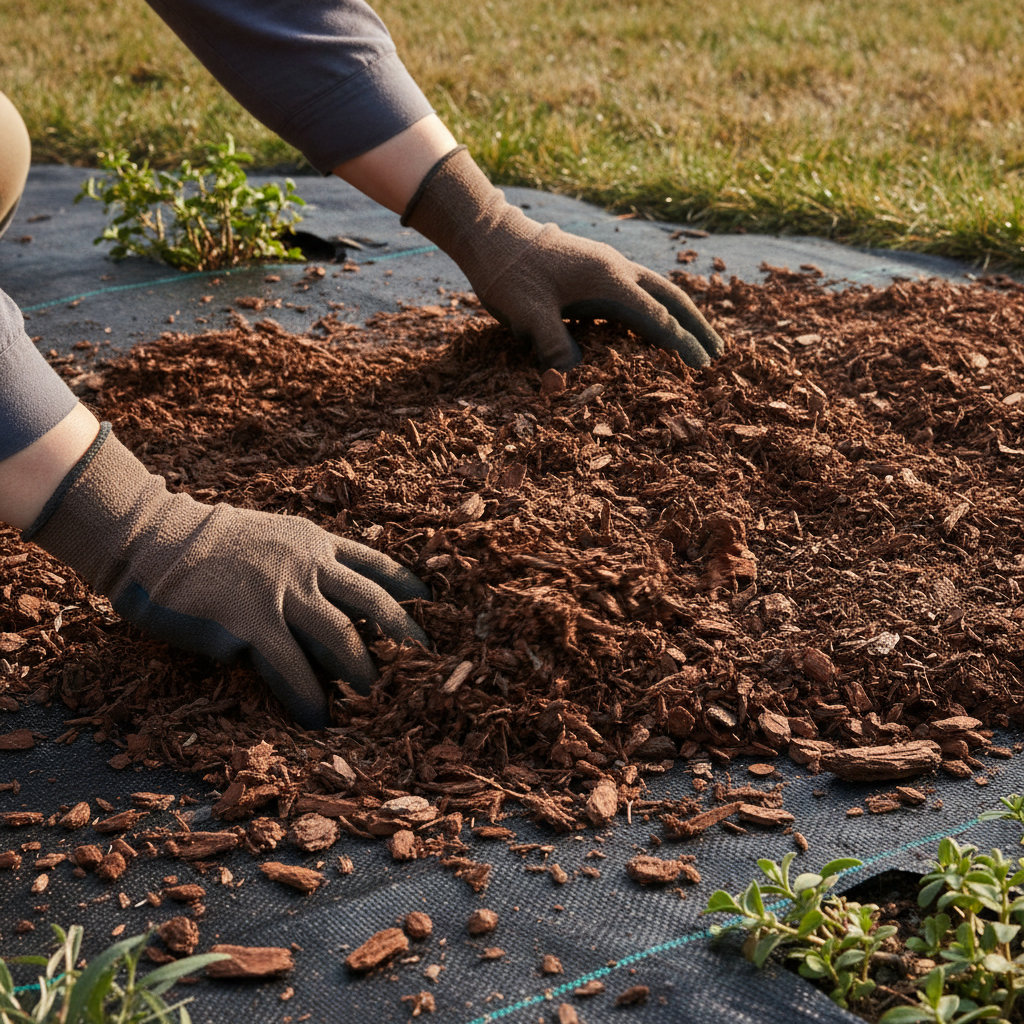
This is where mulch weed prevention earns its reputation. A consistent barrier interrupts the germination cycle, so the few weeds that do appear are easier to remove and far fewer in number. The payoff is less labor over an entire season, not a single afternoon.
Choosing Between Organic Mulch and Landscape Fabric
The core decision comes down to what you want the barrier to do over time. Organic mulch breaks down and feeds your soil, improving structure and holding moisture as it decomposes. Landscape fabric does not enrich anything, but it holds its shape and offers a longer physical block against persistent weeds. Your choice depends on whether you prioritize soil health or long-term structure.
Think about the bed itself. A vegetable garden that gets turned each year rarely benefits from fabric, while a permanent shrub border or a gravel pathway may be an ideal candidate for it. Matching the material to the setting prevents wasted money and future frustration.
Materials Worth Weighing
- Shredded bark and wood chips, which last a season or two and improve soil as they break down
- Straw or shredded leaves, inexpensive and effective in vegetable beds that get replanted often
- Woven landscape fabric, a durable weed barrier suited to permanent plantings and hardscape
- Gravel or stone over fabric, a low-maintenance option for paths and borders where soil enrichment is not the goal
Getting the Depth Right
Depth is the single factor most gardeners underestimate. Spread mulch too thin and light slips through to the soil, undoing the entire point. A layer that is roughly two to three inches deep blocks germination while still allowing water and air to reach the roots. Go much deeper and you risk suffocating plants or encouraging rot against stems and trunks.
Keep mulch pulled back a few inches from the base of trees, shrubs, and perennials. Piling material against bark traps moisture and invites pests and disease. A shallow saucer of open space around each plant protects it while the surrounding barrier does its job.
Installing Landscape Fabric Without Regret
Landscape fabric rewards careful installation and punishes shortcuts. Start with a cleared, weeded surface, because any roots left underneath will fight their way through seams and planting holes. Overlap the edges of each strip by several inches and secure them with ground staples so wind and foot traffic cannot shift the sheets.
Cut planting holes only as large as you need. Every opening is a potential entry point for weed seeds, so precision here protects the whole system. Covering the fabric with a top layer of mulch or stone shields it from sunlight, which extends its working life considerably.
The Mistakes That Quietly Undo Your Work
Most weed barrier failures trace back to a handful of avoidable errors rather than bad materials. Skipping the initial weeding, laying mulch too thin, or exposing fabric to direct sun will all shorten the life of your effort. Understanding these pitfalls in advance saves you from redoing a bed you thought was finished.
Another common issue is treating fabric as permanent and forgetting it entirely. Over time, dust and decomposed mulch settle on top and become a thin soil layer where new seeds happily sprout, which defeats the barrier beneath.
Errors To Avoid During Setup
- Laying mulch over existing weeds instead of clearing the bed first
- Spreading material too thin to block light effectively
- Mounding mulch directly against trunks and stems
- Leaving landscape fabric exposed to sunlight and foot traffic
- Cutting oversized planting holes that invite seeds to settle
Weighing Cost Against Long-Term Value
Price should be read over the life of the bed, not the day of purchase. Organic mulch is inexpensive upfront but needs replenishing every year or two as it decomposes, which turns a modest cost into a recurring one. Quality landscape fabric costs more at the start yet can last for years in the right setting, spreading its value across many seasons.
Factor in your own time as well. If a weekend of weeding has a real cost to you, the labor you save with a solid garden mulching routine may outweigh the material expense. The right answer depends on how long you expect the planting to stay in place and how much maintenance you are willing to accept.
Maintaining the Barrier Over Time
A weed barrier is a system, not a one-time project. Organic mulch thins as it breaks down, so topping it off restores both the appearance and the light-blocking depth. A quick refresh each spring usually keeps a bed in good shape without a full rebuild.
For fabric, periodic attention matters just as much. Brush off accumulated debris before it becomes soil, and check that staples and overlaps have stayed in place. Addressing the occasional weed that finds a seam early keeps a small issue from spreading across the bed.
Seasonal Upkeep Habits
- Replenish organic mulch to maintain two to three inches of depth
- Clear settled debris off landscape fabric before it forms a growing surface
- Inspect seams, edges, and staples after heavy weather
- Remove stray weeds promptly before they establish roots
Building a Garden That Works With You
A thoughtful combination of mulch and landscape fabric turns weed control from an ongoing chore into a background condition of your garden. The materials you choose, the depth you maintain, and the care you take during installation all shape how well the barrier holds up through the seasons. Each decision carries its own tradeoff between upfront effort, cost, and the time you reclaim later. The approach that fits your garden depends on the plantings you keep and the level of upkeep you prefer.