
How much of your renovation budget will actually come back when you sell? That single question separates projects that strengthen your position at closing from those that quietly become sunk costs. Resale value doesn't reward effort or taste; it rewards work that aligns with what the next buyer will pay for. Understanding where renovation ROI concentrates helps you spend deliberately rather than hopefully.
Why Return on Investment Rarely Reaches 100 Percent
It surprises many homeowners to learn that very few projects return every dollar spent. The reason is structural: you're paying retail for labor and materials, while a buyer values the finished result against comparable homes, not against your receipts.
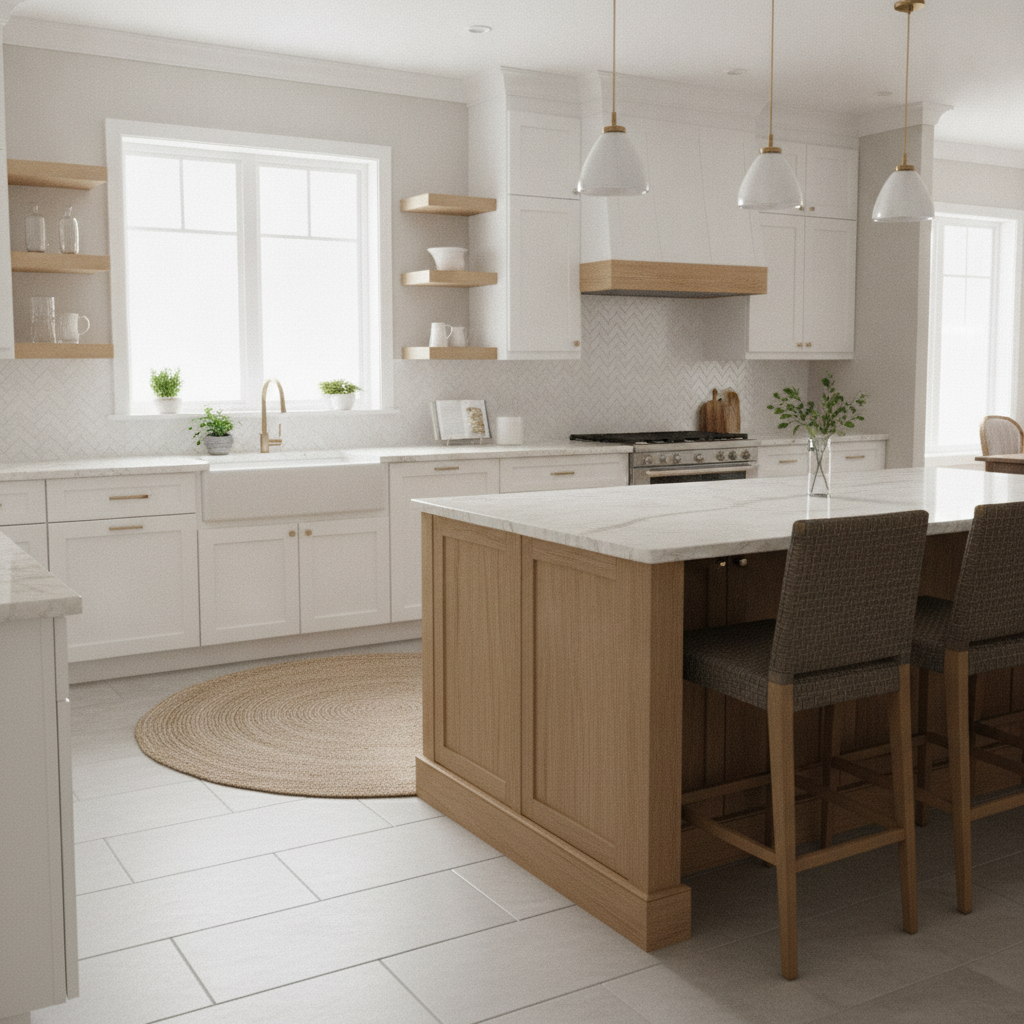
A $40,000 kitchen might lift your sale price by $28,000. That isn't a failure. It means you recovered 70 percent of the cost while enjoying the space in the meantime. Treating partial recovery as the norm keeps your expectations realistic and your decisions grounded.
Kitchens That Return More Than They Cost You
Kitchens drive buyer decisions more than almost any other room, which is why they attract so much renovation spending. Yet the relationship between cost and return is not linear. A modest refresh often recovers a higher percentage than a full gut, because buyers notice a clean, functional kitchen without scrutinizing whether the countertops are quartz or granite.
Replacing dated hardware, repainting cabinets, and updating a worn faucet can transform the room's impression for a few thousand dollars. A six-figure overhaul, by contrast, risks pricing your home above the neighborhood ceiling, where additional spending stops translating into resale value.
Kitchen Updates That Tend to Pay Back Well
- Refinishing or repainting existing cabinets instead of replacing the boxes
- Swapping aged appliances for mid-range energy-efficient models
- Installing durable, neutral countertops that read as current
- Updating lighting, hardware, and faucets as a coordinated set
Bathrooms And The Limits Of Luxury
Bathrooms reward attention, but they punish excess. A clean, well-lit, leak-free bathroom reassures buyers; a spa-inspired retreat with heated floors and a soaking tub often fails to recover its premium. The best home improvements in a bathroom usually address function and freshness rather than indulgence.
Adding a second bathroom to a home that has only one can be an exception. When the floor plan supports it, that added capacity changes how buyers categorize the home, sometimes delivering returns that a cosmetic remodel cannot match.
Bathroom Changes Worth Prioritizing
- Replacing stained or outdated fixtures with simple, modern alternatives
- Re-grouting or re-tiling to eliminate visible wear and moisture concerns
- Improving ventilation and lighting to prevent that closed-in feeling
- Adding a bathroom where the plumbing layout allows it without major restructuring
Curb Appeal As The Cheapest Lever You Control
Before anyone evaluates your kitchen, they form an opinion from the sidewalk. That first impression shapes every room that follows, which makes exterior work some of the most efficient spending available to you. Curb appeal projects tend to cost less than interior remodels while influencing a disproportionate share of buyer sentiment.
Fresh paint, a defined entryway, and tidy landscaping signal that the home has been maintained. Buyers extend that assumption to the mechanical systems and structure they cannot see, which strengthens your negotiating position before you've shown a single interior space.
Exterior Work With Strong Recovery Rates
- Replacing a worn front door, which consistently ranks among the strongest returns
- Fresh exterior paint or siding repair in a neutral, current palette
- Low-maintenance landscaping that frames the entrance cleanly
- Garage door replacement, often recovering most of its modest cost
The Invisible Projects Buyers Pay For Anyway
Not every valuable improvement is visible. A new roof, updated electrical panel, or efficient furnace rarely excites buyers, yet their absence can derail a sale entirely. These projects seldom show a positive return on their own, but they remove objections that would otherwise shrink your offers.
Think of them as protective rather than additive. A failing roof flagged during inspection can cost you more in price concessions than the repair would have cost upfront, which reframes the spending as risk management for your home resale value.
Upgrades That Rarely Recoup Their Cost
Some projects feel like improvements but return very little at sale. Swimming pools, elaborate home theaters, and highly personalized designs often appeal to a narrow slice of buyers while adding maintenance obligations that others view as liabilities. The money spent reflects your preferences more than market demand.
This doesn't mean you should never build a pool or finish a basement to your exact taste. It means you should fund those choices from your lifestyle budget, not your resale budget, and expect limited recovery when you sell.
Projects That Commonly Underperform At Resale
- In-ground pools, which add upkeep concerns for many buyers
- High-end finishes that exceed the neighborhood's price range
- Converting a bedroom into a single-purpose room buyers must reverse
- Highly customized layouts that limit how the space can be used
Weighing Timing, Condition, And Your Local Market
The same renovation can produce different returns depending on when and where you sell. A kitchen remodel completed years before listing may look dated by closing, erasing much of its advantage. Meanwhile, a project that reads as premium in one neighborhood may read as ordinary a few streets away.
Condition matters as much as choice. A thoughtful mid-range update in a well-kept home often outperforms an expensive upgrade dropped into a property with deferred maintenance. Matching your spending to your home's price tier and your selling timeline keeps renovation ROI working in your favor.
Factors That Shift Your Expected Return
- How soon you plan to list after completing the work
- Whether the upgrade matches or exceeds comparable homes nearby
- The overall condition and maintenance history of the property
- Local buyer preferences for features, finishes, and layouts
Spending With The Next Buyer In Mind
The projects that strengthen resale value share a common trait: they reduce friction for the next buyer rather than express the current owner's taste. Function, maintenance, and first impressions carry more weight at closing than premium materials or dramatic transformations. Spending that aligns with buyer expectations tends to recover a larger share of its cost, while spending that reflects personal preference recovers less.
Approaching renovations through that lens turns a vague hope into a measurable decision. You can weigh each project against its likely recovery, your timeline, and the standards of your market before committing a single dollar.