
What would it mean for your sale or refinance if your home appraised a few thousand dollars higher? A home appraisal translates your property into a number that lenders and buyers treat as fact, so the condition and presentation of your home on inspection day carry real financial weight. Small oversights can quietly suppress a valuation, while modest preparation can help an appraiser recognize what your property is genuinely worth.
Understanding What an Appraiser Actually Measures
An appraiser is not scoring your taste in paint or furniture. Their job is to produce a defensible estimate of market value based on your home's size, condition, functional systems, and comparable sales nearby. That means the features influencing property valuation are often structural and documentary rather than decorative.
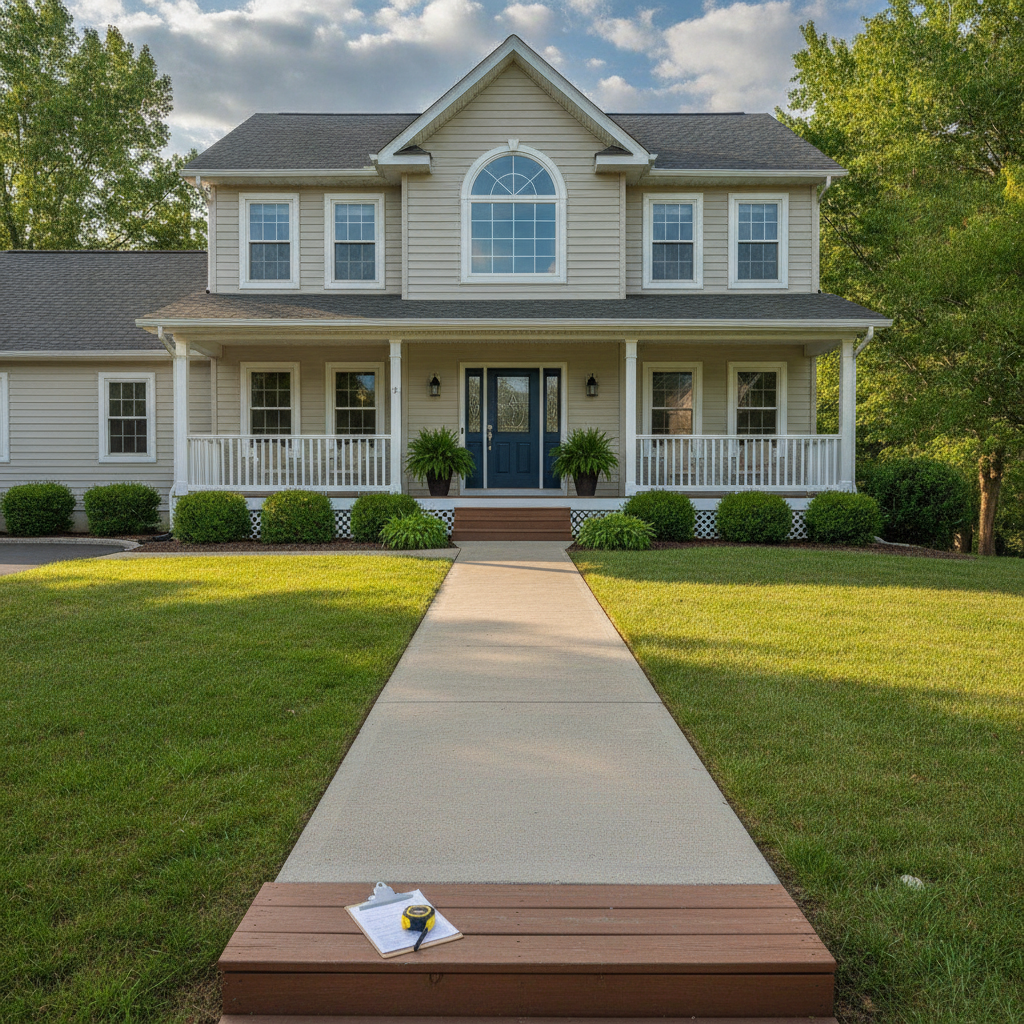
Understanding this distinction changes how you prepare. A deep clean matters less than a functioning furnace, and a trendy backsplash matters less than an accurate square footage record. When you know what carries weight, you can direct your limited time and budget toward the factors that move the final figure.
Repairs That Protect Your Valuation
Visible defects give an appraiser reason to note deferred maintenance, which can lower the value or trigger lender-required repairs before a loan closes. The goal is to remove any signal that the home has been neglected. Most of these fixes cost little and take an afternoon, yet their absence can cost far more in the appraisal.
Think of it as closing the gap between how the home functions and how it appears. A dripping faucet or a cracked outlet cover suggests other hidden problems, even when none exist. Addressing the obvious items reassures the appraiser that the property has been cared for.
Low-Cost Repairs Worth Completing First
- Reseal caulking around tubs, sinks, and windows to prevent the appearance of water damage
- Replace burned-out bulbs and ensure every room is well lit during the visit
- Patch and touch up nail holes, scuffs, and chipped paint on walls and trim
- Fix leaky faucets, running toilets, and slow drains before inspection day
- Repair or replace damaged screens, loose handrails, and sticking doors
Documenting Upgrades the Appraiser Cannot See
Many of the most valuable improvements are invisible by the time an appraiser arrives. A new roof, a replaced water heater, upgraded electrical panels, or a recent HVAC system all affect property valuation, but only if the appraiser knows they exist and when they were done.
Prepare a short written record with dates, costs, and contractor names for major work completed in recent years. Permits and receipts add credibility and help the appraiser justify a higher figure in their report. This paperwork costs nothing beyond the time to assemble it, and it often supports the strongest adjustments in your favor.
Curb Appeal and First Impressions
The appraisal effectively begins at the curb. The exterior sets an expectation for the condition inside, and an unkempt yard or peeling trim can prime an appraiser to look harder for flaws. First impressions do not override facts, but they influence how generously ambiguous details are interpreted.
Exterior preparation is also among the least expensive work you can do. Mowing, trimming, and clearing clutter from walkways takes a weekend and no specialized skill. A freshly painted front door or a few potted plants signals pride of ownership without any meaningful cost.
Staging and Cleanliness Without Overspending
You are not staging to impress a buyer emotionally; you are helping an appraiser move efficiently and see the home clearly. Clean, uncluttered rooms photograph better and read as larger and better maintained. Clutter can obscure features and make spaces feel smaller than their actual dimensions.
Keep improvements proportional to the goal. Elaborate professional staging rarely pays off for an appraisal, since the valuation rests on comparable sales rather than ambiance. A thorough cleaning, open blinds, and clear access to every room, including attics and basements, accomplish most of what you need.
Comparable Sales and Market Context
An appraiser leans heavily on recent sales of similar homes nearby, so the local market shapes your valuation as much as your repairs. If you know of comparable properties that sold recently and reflect your home's quality, having that information ready can be genuinely useful during the walk-through.
This is where realistic expectations matter. If homes in your area have softened, no amount of fresh paint will push the number past what buyers are paying. Knowing the market context helps you decide which upgrades are worth pursuing and which would simply overinvest beyond what the appraisal can return.
Weighing Costs Against Potential Return
Every preparation decision is a small investment, and not all of them pay back equally. Cosmetic repairs under a few hundred dollars almost always justify themselves by removing red flags. Larger renovations undertaken solely to raise an appraisal are a different calculation, since the return is rarely dollar-for-dollar.
Consider the purpose of the appraisal when you budget. A refinance may hinge on reaching a specific value threshold, which changes how much a targeted repair is worth to you. For a sale, the appraisal protects a price you have already negotiated, so your spending should focus on defending that number rather than chasing a higher one.
Preparation Steps Ranked by Effort and Payoff
- Minimal effort, reliable payoff includes cleaning, decluttering, and basic yard maintenance
- Low cost, strong payoff includes minor repairs, touch-up paint, and assembling upgrade documentation
- Moderate cost, situational payoff includes replacing worn fixtures or flooring in high-visibility areas
- High cost, uncertain payoff includes major renovations completed only to influence a single appraisal
Preparing for a Confident Appraisal Day
By the time the appraiser arrives, your work should already be done, letting the home speak for itself. Make sure every area is accessible, pets are secured, and your documentation sits in one organized place for easy reference. A calm, well-prepared visit allows the appraiser to focus on the home's merits rather than its distractions.
Preparation does not guarantee a specific number, but it ensures the valuation reflects the property's true condition and improvements. Thoughtful, proportional effort gives your home its fair chance to be seen accurately.
Where Preparation Leaves You
A home appraisal rewards clarity and condition more than expense, which means your most effective preparation is often your least costly. Clean presentation, honest repairs, and clear records help an appraiser arrive at a figure grounded in reality. When you align your effort with what the appraisal actually measures, the resulting valuation becomes a fair reflection of the home you have maintained.