
How much does an upgrade to your bathroom actually cost once you account for the water you stop wasting every day? That question sits at the center of any decision about high efficiency toilets, where the price on the box tells only part of the story. The real math involves purchase price, installation, and years of reduced water bills. Weighing those factors against your household's habits shapes what the right choice looks like.
What You Actually Pay Upfront
The sticker price on high efficiency toilets covers a wide range, and understanding where a given model lands helps you set realistic expectations. A basic single-flush unit might run under two hundred dollars, while a dual-flush or wall-mounted design with premium finishes can climb well past six hundred. The fixture itself is only the first line item.
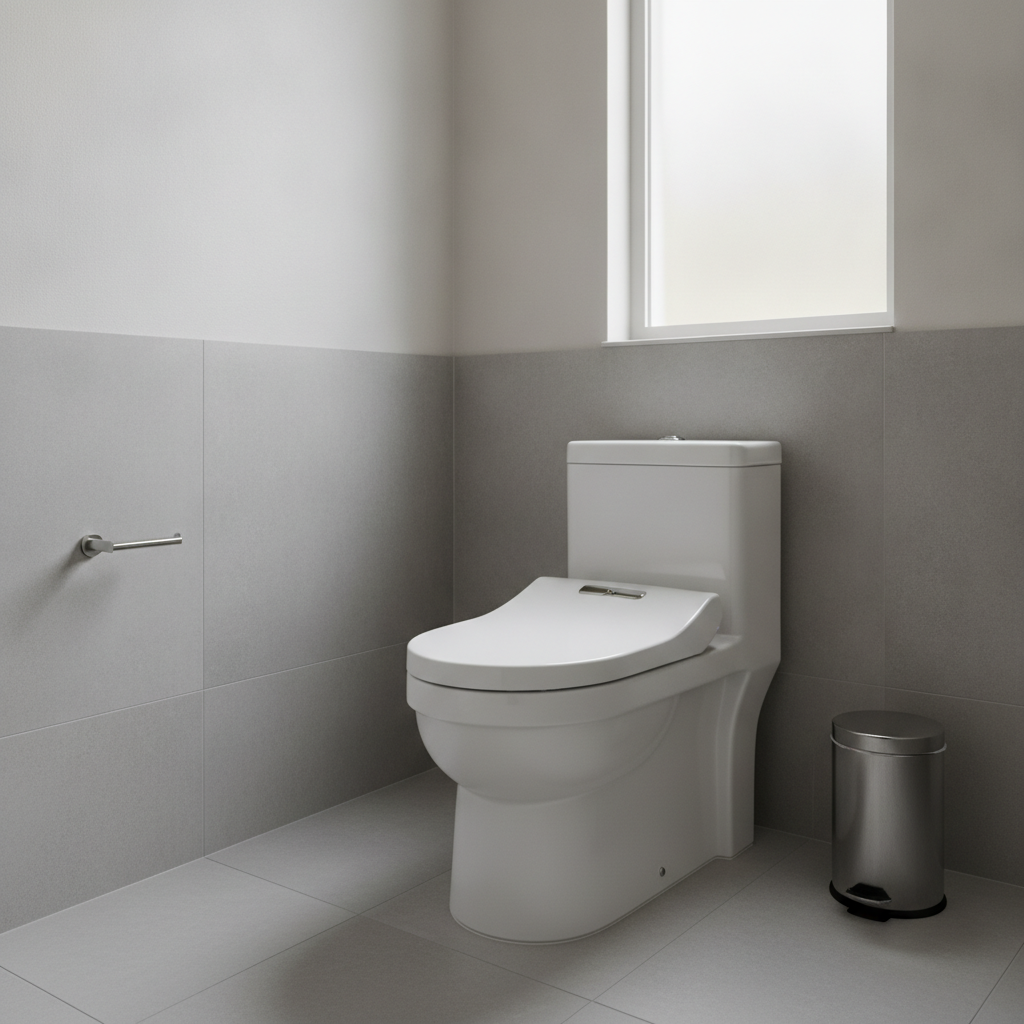
Installation adds another layer. If you are swapping a comparable model into an existing footprint, a plumber may charge a modest flat rate. Moving supply lines, repairing a worn flange, or upgrading an older wax seal can push labor costs higher than the toilet itself.
Homeowners comfortable with hand tools sometimes handle the replacement themselves, which trims the total considerably. The tradeoff is time and the risk of a leak that surfaces months later, so the decision depends on your confidence and the condition of the existing plumbing.
Cost Elements Worth Confirming Before Purchase
- The fixture price, including whether the seat and mounting hardware are included
- Labor for removal of the old unit and disposal fees some plumbers charge
- Replacement parts such as the wax ring, supply line, and bolts
- Any adjustments needed if the rough-in measurement does not match a standard layout
How Savings Add Up Over Time
The appeal of high efficiency toilets rests on the gap between what older fixtures use and what newer ones require. A model manufactured in the early 1990s can use several gallons per flush, while current efficient designs operate at 1.28 gallons or less. Over thousands of flushes a year, that difference becomes a measurable line on your utility bill.
For a household of four, replacing an aging toilet often reduces annual water use by thousands of gallons. The dollar value of that reduction depends heavily on local water and sewer rates, which vary far more than most people expect. In areas with high utility costs, the payback period shortens noticeably.
Rebates from local water authorities can accelerate the return further. Some utilities offer credits for installing certified efficient fixtures, effectively lowering the upfront cost and shifting the break-even point closer to the installation date.
Factors That Determine Your Payback Speed
- The volume your old toilet used per flush compared with the new model
- The number of people in the home and how frequently the toilet is used
- Local water and sewer pricing, including tiered rate structures
- Whether a rebate or incentive offsets part of the purchase
The Tradeoffs Behind Lower Water Use
Efficiency does not come without compromises worth understanding before you commit. Early low-flow designs earned a reputation for weak performance, and while engineering has improved dramatically, differences in flushing power still exist across models. Reading how a specific unit handles solid waste matters more than the marketing on the packaging.
Dual-flush designs give you control by offering a reduced volume for liquid waste and a fuller flush for solids. That flexibility appeals to many households, though the two-button mechanism adds a part that can eventually wear or require adjustment. Single-flush pressure-assisted models push waste more forcefully but tend to run louder.
Bowl shape and trapway design also influence real-world results. A well-engineered efficient toilet can clear its bowl reliably on a single flush, while a poorly matched one may require a second attempt that erases the water savings you were counting on.
Performance Traits To Compare Across Models
- Flush type, whether gravity-fed, pressure-assisted, or dual-flush
- Bowl clearance ratings that indicate how much waste a single flush removes
- Noise level, which pressure-assisted units tend to raise
- Ease of finding replacement parts for the flush mechanism years later
Weighing Long-Term Value Against Your Situation
The strongest case for high efficiency toilets emerges when you look beyond the first year. A durable fixture installed correctly can serve a home for two decades or more, spreading its cost across a long stretch of reduced water bills. That horizon reframes the upfront expense as an investment rather than a one-time purchase.
Your situation shapes whether the timing makes sense now. If your current toilet still functions well and uses a moderate amount of water, the savings may accumulate slowly. If it runs constantly, leaks, or dates back several decades, replacement often pays for itself faster and eliminates the frustration of ongoing repairs.
Resale considerations enter the picture too. Buyers increasingly notice efficient fixtures, and a modern bathroom signals a home that has been maintained. That intangible benefit does not appear on a utility statement, but it factors into the broader value of the upgrade.
Signs Replacement Deserves Serious Consideration
- A toilet manufactured before efficiency standards tightened in the mid-1990s
- Recurring leaks, a running tank, or frequent need for a second flush
- Rising water bills that a household size alone does not explain
- A planned bathroom remodel where the incremental cost of upgrading is small
Putting The Numbers In Perspective
The decision to install high efficiency toilets ultimately balances a known upfront cost against savings that arrive gradually and quietly. For some households the return is swift and obvious, driven by high water rates and heavy daily use. For others the benefit is modest and stretched across many years, which is a perfectly reasonable outcome depending on the goals behind the purchase.
What matters is matching the fixture to your home, your habits, and your budget rather than chasing the lowest price or the highest specification. A thoughtful choice accounts for installation realities, local incentives, and the performance traits that keep a toilet reliable long after the novelty fades. The figures and tradeoffs described here give you a framework for evaluating whether the timing and the math work for your particular circumstances.