
Have you looked down at your hardwood floors lately and wondered whether they still have another decade of life in them? Wood floors age in visible ways, from surface scratches to worn traffic paths, and the question of whether to refinish them rarely has an obvious answer. The right choice depends on the wood itself, your budget, and how long you plan to stay in the home.
Reading The Condition Of Your Floors
Before you weigh any numbers, the floor itself tells you most of what you need to know. Solid hardwood can typically be sanded and refinished several times over its life, while thinner engineered products may only tolerate a light pass or two. The depth of the wear layer sets the ceiling on what is possible.
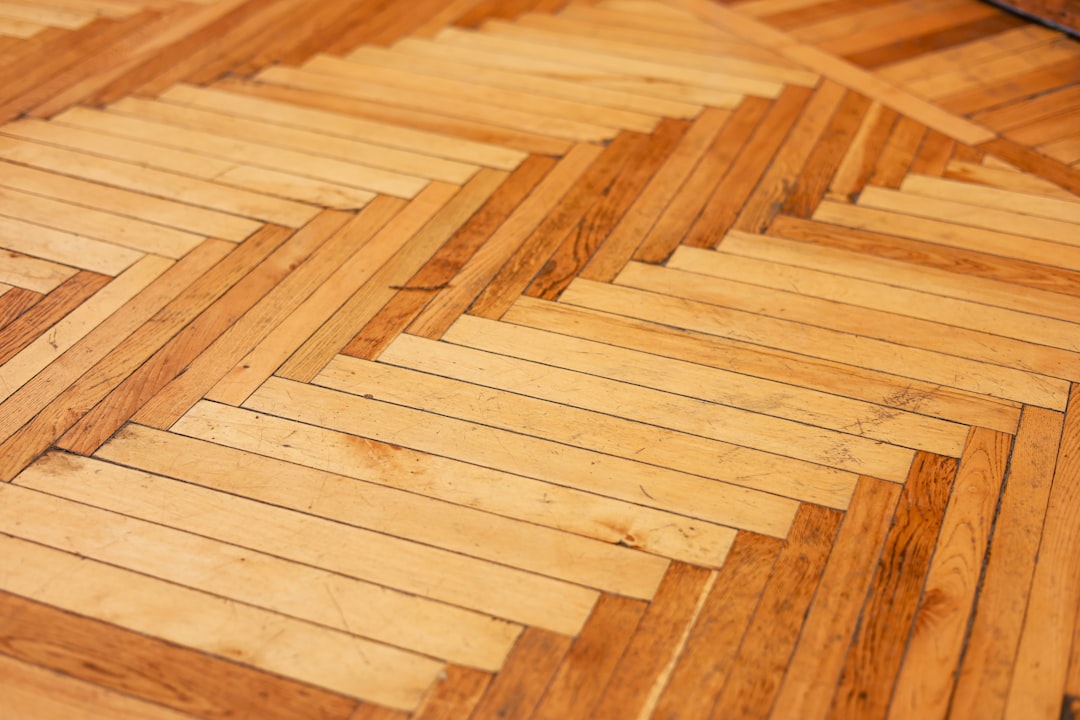
Surface issues like dull finish, light scratches, and faded color are strong candidates for refinishing. Deeper problems change the calculation. Boards that flex underfoot, gaps that shift with the seasons, or water damage that has blackened the grain often point toward repair or replacement rather than a cosmetic refresh.
Signs That Refinishing Is Worth Considering
- The finish looks cloudy or worn but the wood underneath is intact.
- Scratches sit in the topcoat rather than gouging deep into the board.
- You want to change the stain color while keeping the existing planks.
- The floor has enough thickness left for at least one more sanding.
Weighing Cost Against Long-Term Value
Refinishing hardwood floors usually costs a fraction of full replacement, which is a large part of its appeal. You are paying to restore something you already own rather than buying entirely new material and disposing of the old. For a home with genuine hardwood in decent structural shape, that math tends to favor refinishing.
The long-term value shows up in two ways. A freshly refinished floor protects the wood from further wear, extending the years before any board needs to be pulled. It also carries weight with buyers who recognize solid hardwood as a lasting feature, which can matter if a sale is somewhere on your horizon.
Consider how long you intend to live with the result. If you plan to stay for years, refinishing hardwood floors spreads its cost across a long stretch of daily use. If you expect to move soon, the value leans more toward presentation and the impression a clean, even floor leaves during a walkthrough.
Costs Worth Factoring Into Your Decision
- Labor, which typically makes up the largest share of a professional job.
- Materials such as sandpaper, stain, and protective finish.
- Temporary lodging or furniture storage if rooms must be cleared.
- Repairs to individual boards discovered once sanding begins.
Choosing Between Doing It Yourself And Hiring A Pro
Refinishing is one of the more approachable large home projects, but it is not casual work. Renting a drum sander, managing dust, applying stain evenly, and laying a durable topcoat all demand patience and a tolerance for mistakes that are hard to undo. A single uneven sanding pass can leave marks that show for the life of the finish.
Hiring a professional shifts that risk onto someone with the right equipment and repetition behind them. The tradeoff is cost, and the gap between the two paths can be significant depending on square footage. Many homeowners split the difference by handling small rooms themselves and reserving open, high-visibility spaces for a contractor.
Timelines differ as well. A pro crew may complete a floor in a few days including drying time, while a first-time effort can stretch across a week or more. Factor in the reality that the space is largely unusable while finish cures, since foot traffic too early can ruin the result.
Questions To Ask Before Committing To A Contractor
- How many sanding passes are included and what grit sequence is used.
- Which finish product is applied and how many coats.
- What dust containment methods the crew relies on.
- How long the floor must cure before furniture returns.
Knowing When An Alternative Fits Better
Refinishing hardwood floors makes sense in many homes, but not all. When the wear layer is spent, when moisture has caused warping, or when the existing material was never solid hardwood to begin with, sanding cannot deliver a lasting result. Recognizing those limits saves you from paying for a fix that will not hold.
Alternatives range from targeted repairs to full replacement, and each carries its own cost and disruption. A partial board swap can address a damaged section without touching the rest of the floor. Where the whole surface has reached the end of its usable life, new flooring becomes the more sensible investment despite the higher price.
There is also a middle path worth acknowledging. Some products let you refresh the appearance without a full sand, through screening and recoating that renews the topcoat while leaving the wood untouched. That approach works only when the underlying finish is still sound, but it can buy years at a lower cost and shorter timeline.
Situations That Point Toward Replacement Instead
- The wood has been sanded down to its final usable thickness.
- Water or pests have compromised the structure beneath the surface.
- The flooring is a thin veneer that cannot survive another sanding.
- Widespread cupping or buckling signals a moisture problem to resolve first.
Deciding What Your Floors Are Ready For
The choice around refinishing hardwood floors comes down to matching the work to the wood you actually have. A floor with intact planks, sufficient thickness, and only surface-level wear is a natural candidate, while one with structural damage asks for a different response. Cost, timeline, and how long you plan to stay all shape which direction serves you.
Taking an honest look at the condition underfoot, alongside a realistic view of your budget and goals, gives you the footing to weigh refinishing against its alternatives.