
What would it take to make your bathroom feel current without pulling out the tub or moving a single pipe? For many homeowners, the answer is smaller than expected. A high impact low cost bathroom remodel often turns on a handful of deliberate updates rather than a full demolition. The trick lies in knowing which changes carry visual weight and which quietly drain a budget.
Where Small Changes Deliver the Most Visual Weight
Not every dollar in a bathroom does equal work. Lighting, paint, and hardware sit at the top of the list because they touch nearly every square foot without requiring structural changes. Swapping a dated vanity light for a cleaner fixture can shift the mood of the entire room in an afternoon.
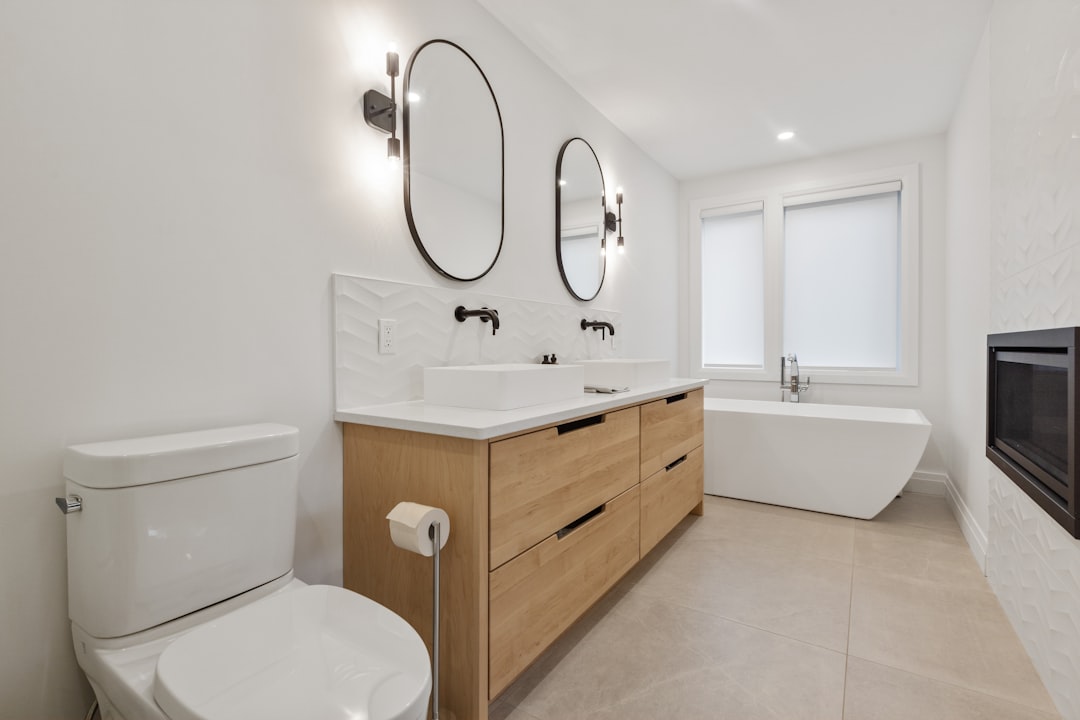
Paint is the most forgiving of these. A moisture-resistant finish in a fresh tone brightens walls that have yellowed over years of steam and use. The cost stays low, and the payoff is immediate and hard to miss.
Hardware is the quiet finisher. Cabinet pulls, towel bars, and faucet handles read as jewelry for the room, and mismatched or worn pieces undercut everything around them.
Updates That Reward a Modest Budget
- Vanity and ceiling lighting that replaces dim or dated fixtures
- A durable, mildew-resistant paint suited to humid conditions
- Cabinet pulls and drawer knobs in a consistent finish
- A new faucet that matches the shower and accent metals
- An updated mirror or framed replacement for a builder-grade sheet
Reading the Costs Before You Commit
The appeal of targeted updates is that you can see the full price before work begins. A gallon of quality paint, a fixture, and a set of pulls rarely rival the expense of new tile or plumbing relocation. When you keep the footprint intact, you avoid the hidden charges that follow surprises behind walls.
Costs climb fastest when a project crosses from cosmetic to structural. Moving a toilet or reworking a shower drain invites permits, inspections, and specialized labor. Staying on the surface keeps your spending predictable and your timeline short.
It helps to separate the changes you can handle yourself from the ones worth hiring out. Painting and swapping knobs are approachable weekend tasks. Anything wired or plumbed deserves a licensed hand, both for safety and for resale documentation later.
Practical Considerations Worth Pricing Out
- Material costs for paint, fixtures, and hardware you can compare in advance
- Labor for electrical or plumbing work that falls outside a homeowner's comfort
- Small tools such as a caulk gun, screwdriver set, and painter's tape
- Disposal or recycling of the fixtures you remove
- A modest contingency for the odd part that does not fit as expected
Sequencing the Work So It Actually Gets Done
Order matters more than people assume. Painting before installing new hardware saves you from taping around fresh pulls, and it lets you see the wall color against the fixtures you plan to keep. A logical sequence prevents redoing work you already finished.
Start with the messiest tasks and move toward the finishing touches. Prep and paint first, then lighting, then the smaller swaps that complete the look. Each stage builds on the last, so the room improves visibly rather than sitting half-torn for weeks.
Timing also shapes how livable the space stays. A single-bathroom home cannot afford a project that drags, so grouping tasks into short, contained sessions keeps disruption manageable. Ordering parts before you begin avoids the stall of a shipment that arrives days late.
Choices That Hold Their Value Over Time
A low cost approach does not mean a short-lived one. Some updates look inexpensive yet reward you for years, while others save money now and cost more in replacements later. The distinction is worth weighing before you buy the cheapest option on the shelf.
Finishes that resist moisture and cleaning chemicals tend to age well. A solid-metal faucet outlasts a plated one, and a quality paint film holds up against repeated wiping near the sink. Spending slightly more on the pieces you touch daily often pays back in fewer repairs.
There is also the matter of appeal to a future buyer. Neutral, well-installed updates read as care rather than compromise, and they let a bathroom feel maintained without shouting that it was done on a budget. The goal is work that quietly holds up.
Elements That Tend to Justify the Spend
- A faucet and shower valve built from durable materials rather than coatings
- Paint rated for high humidity and frequent cleaning
- Lighting with replaceable, energy-efficient bulbs
- Hardware finishes that resist tarnish and fingerprints
- Caulk and sealant applied properly to protect against moisture damage
Bringing the Pieces Together Without Overreaching
The measure of a well-judged bathroom update is restraint. It is tempting to keep adding once momentum builds, but each new change reopens the budget and the timeline. Deciding in advance where the project ends keeps a high impact low cost bathroom remodel from quietly becoming something larger.
Look at the room as a whole before you call it finished. Consistent metals, a unified color, and clean lighting do more together than any single upgrade does alone. When the elements agree with one another, the space feels intentional rather than patched.
A focused set of changes can reshape how a bathroom looks and functions while leaving the structure and the budget intact. What you choose to update, and where you choose to stop, defines the outcome you live with.