
What if the effort you put into weeds this year could shrink the work you face next spring? Most gardeners fight the same battles on repeat, reacting to overgrowth instead of anticipating it. A season-by-season approach to natural weed control for your garden shifts the balance, letting timing and preparation do much of the work. The result is less scrambling, fewer surprises, and a clearer sense of what each stage actually asks of you.
Reading the Rhythm of Your Growing Year
Weeds do not appear randomly. They follow soil temperature, moisture, and light in patterns you can learn to predict. Once you understand when specific pressures arrive, you can position your effort ahead of them rather than behind. This is the difference between a tidy bed in June and a tangled one.
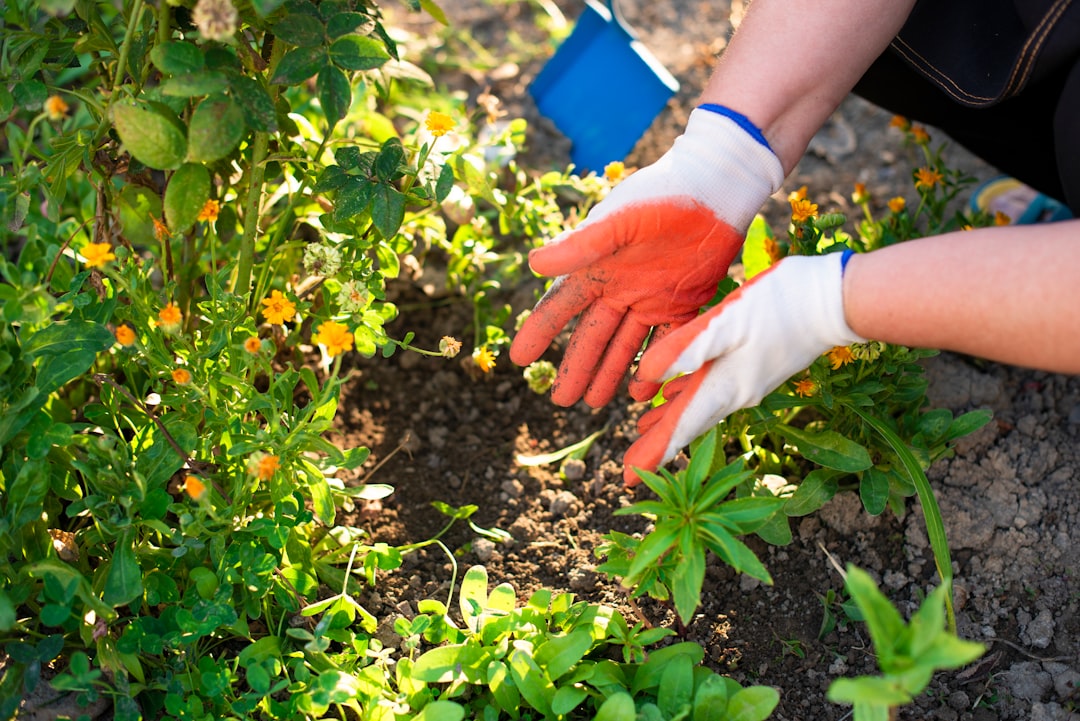
Consider crabgrass, which germinates as soil warms in spring, or chickweed, which quietly establishes in cool autumn conditions. Knowing these windows lets you intervene when a single pass with a hoe accomplishes what would later take an hour of pulling. Timing turns small actions into meaningful outcomes.
Your climate zone shapes this calendar more than any general rule. A reader in a mild region will see year-round activity, while a colder one gets a genuine dormant pause. Mapping your own frost dates and rainfall gives every later decision a foundation.
Spring Preparation and the Cost of Getting Ahead
Spring is where the season is won or lost. The soil is warming, seeds banked from last year are waking, and every day you delay compounds the effort required later. This is the moment to invest attention, because early suppression is far cheaper in time and money than midsummer recovery.
Mulch is your central tool here. A two-to-three-inch layer of shredded bark, straw, or leaf mold blocks light and smothers emerging seedlings while feeding the soil as it breaks down. The upfront cost varies widely, but bulk delivery generally lowers the per-yard price, and homemade compost or shredded autumn leaves cost almost nothing beyond your labor.
Hand cultivation matters most now, when weeds are shallow-rooted and easy to dislodge. A stirrup hoe or a simple hand fork handles young growth in seconds. Choosing durable tools rather than replacing flimsy ones each year is a quiet form of long-term value.
Supplies Worth Assembling Before the Season Peaks
Having the right materials on hand prevents the delays that let weeds gain ground.
- Organic mulch such as bark, straw, or leaf mold in enough volume to cover exposed soil
- A sharp stirrup or collinear hoe for standing cultivation of large beds
- A hand fork or weeding knife for tight spaces around established plants
- Cardboard or landscape paper for smothering persistent patches before planting
- Sturdy gloves that let you pull comfortably without hand fatigue
Summer Maintenance Without Escalation
By summer, your goal shifts from prevention to steady maintenance. Weeds that slip through will try to flower and set seed, and stopping that cycle is the single most valuable thing you can do for next year. A few minutes of consistent attention beats an exhausting weekend of catch-up.
Manual removal and shallow hoeing remain your primary methods, ideally on a dry day when uprooted weeds wither instead of re-rooting. For paths, patios, and gravel where nothing desirable grows, boiling water or a horticultural vinegar solution can knock back growth. These work on contact and suit hard surfaces better than planted beds, where they risk harming neighbors.
Summer also tests your mulch. As it thins and decomposes, weeds find gaps, so topping up in midseason preserves the barrier you built in spring. Watering deeply but less often encourages your plants to outcompete shallow-rooted invaders, letting the garden itself carry part of the workload.
Low-Effort Habits That Prevent Seed Spread
Small routines during peak growth keep summer manageable and protect next year's beds.
- Remove flowering weeds before they set seed, even when the rest can wait
- Hoe on warm, dry mornings so severed weeds dry out rather than recover
- Refresh thinning mulch to close the gaps that light exploits
- Empty and rinse tools so you do not carry seeds between beds
- Spot-treat hard surfaces with heat or vinegar rather than blanket applications
Autumn Reset and Building Toward Next Year
Autumn is the most underused season for weed control, and that is where an informed gardener gains an edge. Cool-weather weeds germinate now and overwinter as small plants, giving them a head start you will regret in spring. Clearing them while they are young is far easier than confronting established rosettes months later.
This is also the ideal time to build soil health, since healthy soil supports dense, competitive planting that leaves weeds little room. Sowing a cover crop like clover or rye on empty beds occupies the ground through winter, suppressing weeds and adding organic matter when you turn it in. Seed for cover crops is inexpensive relative to the fertility and suppression it provides.
Leaf fall offers a free, renewable mulch and compost source, and shredding leaves before spreading them speeds decomposition and prevents matting. A season-end tool cleaning and sharpening extends the life of your equipment, protecting the value of what you already own rather than rebuying each spring.
End-of-Season Actions With Lasting Payoff
The choices you make as growth slows determine how hard next spring will be.
- Pull cool-season weeds while they are still small and shallow-rooted
- Sow a cover crop on bare beds to occupy and enrich the soil over winter
- Collect and shred fallen leaves for mulch or a compost pile
- Apply a fresh mulch layer to beds that will sit dormant
- Clean, dry, and sharpen tools before storing them for the cold months
Carrying the Approach Forward
A season-by-season plan is less a rigid schedule than a way of paying attention. Once you connect each stage to the next, weed control stops feeling like an emergency and becomes a set of modest, predictable habits. The upfront investment in mulch, durable tools, and soil building tends to reduce both the effort and the recurring expense over time.
Every garden teaches its own lessons, and your calendar will shift as you notice which weeds arrive when and which methods suit your beds. Natural weed control for your garden rewards observation and consistency more than any single product or technique. What you learn in one year becomes the quiet framework for the years that follow.