
What would it take to make your bathroom feel new without emptying your savings account? Most people assume a meaningful change requires gutting the room down to the studs, but that isn't the only path. Small, deliberate updates to surfaces, hardware, and lighting can shift how a space reads. The right choices depend on your budget, your timeline, and what you actually use every day.
Where Small Changes Earn the Biggest Return
The most cost-effective updates are the ones you see and touch constantly. A dated faucet, a scuffed vanity, or a harsh overhead light shapes your daily experience far more than the elements hidden behind walls. Focusing your dollars on visible, high-contact surfaces gives you a disproportionate payoff.
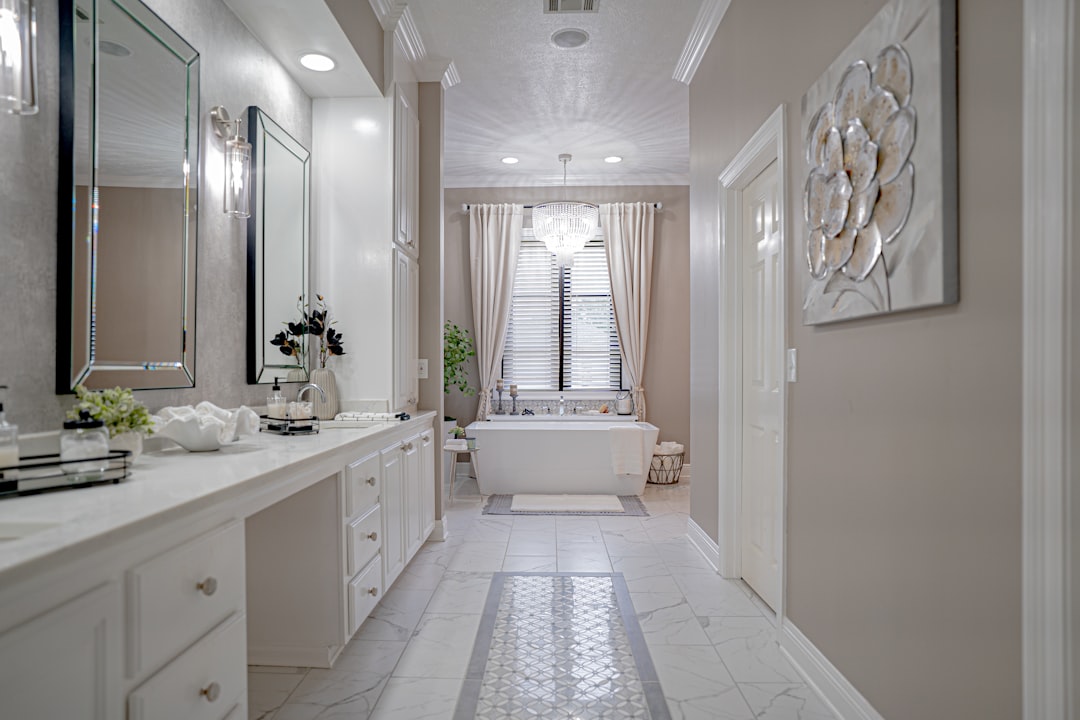
Paint is the clearest example. A quality moisture-resistant finish can transform the mood of a room for the price of a couple of gallons and a weekend of labor. Compare that to retiling, which multiplies both cost and disruption for a similar visual effect.
Hardware follows the same logic. Swapping cabinet pulls, towel bars, and a showerhead costs little but signals care and intention. These are the details a guest notices first, and they set the tone for everything else in the room.
Updates That Reward a Modest Budget
Certain changes consistently deliver visible impact relative to their cost, making them sensible starting points for a budget bathroom remodel.
- Repainting walls and trim with a mildew-resistant finish
- Replacing the faucet and showerhead with updated models
- Swapping cabinet pulls, knobs, and towel bars
- Refinishing rather than replacing an existing vanity
- Updating the mirror and adding a framed edge
Fixtures And Finishes That Change The Feel
Fixtures anchor a bathroom visually, and they wear on you when they look tired. A new faucet or a modern light fixture reads as a genuine upgrade even when the surrounding layout stays exactly the same. This is where many bathroom remodel ideas quietly succeed, because the eye reads the newest element and forgives the rest.
Finish selection matters as much as the fixture itself. A consistent metal tone across the faucet, drawer pulls, and light hardware creates a sense of cohesion that costs nothing extra to plan for. Mismatched finishes, by contrast, make a room feel accidental.
Lighting deserves particular attention. Replacing a single builder-grade bar light with a warmer, better-placed fixture can soften shadows and make the space feel calmer. Because bathrooms are small, even one thoughtful lighting change carries real weight.
Reworking The Shower Without Starting Over
The tub-and-shower area draws the eye and takes the most abuse, so it often looks the most dated. You don't always need to demolish it to change its character. A tub shower conversion bathroom remodel, where an underused tub becomes a walk-in shower, can open up floor space and suit how a household actually bathes.
Before committing, weigh how you use the room. Removing the only tub in a home can affect resale appeal for buyers who want one, so the decision balances daily comfort against long-term value. If you rarely soak, the tradeoff usually favors the shower.
For those keeping the existing tub, resurfacing and regrouting restore a clean look at a fraction of replacement cost. New glass or a simpler curtain rod can further modernize the space. These moves keep plumbing untouched, which is where costs and timelines tend to escalate.
Questions To Weigh Before A Shower Conversion
A conversion is harder to reverse than most cosmetic work, so a few practical questions help clarify whether it fits your situation.
- How often does anyone in the household use the tub
- Whether the home retains a tub in another bathroom
- The condition of the existing plumbing and waterproofing
- Your expected timeline for staying in the home
- The added accessibility a curbless shower can provide
Planning A High Impact Low Cost Bathroom Remodel
A successful high impact low cost bathroom remodel comes down to sequencing and restraint. Deciding what to change first, and what to leave alone, keeps the budget honest. Many overruns start when a simple paint-and-hardware plan drifts into moving walls or relocating plumbing without a clear reason.
Labor is usually the largest variable. Painting, hardware swaps, and mirror updates are approachable for a confident do-it-yourselfer, while electrical and plumbing work often justify hiring a professional for safety and code compliance. Knowing which tasks to hand off protects both your budget and the outcome.
It also helps to think in phases. You might complete cosmetic updates now and reserve a shower change for a later season, spreading cost over time. This approach lets you live with each change before committing to the next, and it keeps any single stretch of work manageable.
Costs Worth Mapping Before You Begin
Estimating the full picture prevents surprises partway through, so it's worth listing the categories that tend to absorb a budget.
- Materials such as paint, hardware, and fixtures
- Professional labor for plumbing or electrical tasks
- Tools you may need to rent or buy for the work
- Disposal of old fixtures and materials
- A contingency reserve for hidden issues behind surfaces
Bringing The Pieces Together
A bathroom rarely needs a complete rebuild to feel considered again. When paint, fixtures, finishes, and lighting are chosen to work with one another, the room reads as intentional rather than patched together. The measure of a good update is whether the space feels better to use each morning.
The strongest plans respect both the budget and the way the room is actually lived in. Some households will prioritize a walk-in shower, others a warmer light and a cleaner vanity, and both are reasonable directions. What matters is matching the work to your priorities and your tolerance for cost and disruption. Each option carries its own tradeoffs to weigh against your own situation.