
Are you standing in a showroom, sample plank in hand, trying to figure out which type of wood floor actually fits your home and your budget? It is one of the more consequential surface decisions you will make, and the answer rarely comes down to appearance alone. Moisture, subfloor conditions, resale expectations, and how long you plan to stay all pull the choice in different directions. Understanding those forces helps clarify what you are really weighing.
What Actually Separates These Two Floors
The core difference is construction, and it drives nearly every practical outcome that follows. Solid hardwood is milled from a single piece of wood, typically three-quarters of an inch thick. Engineered hardwood uses a thin veneer of real wood bonded over layers of plywood or high-density fiberboard.
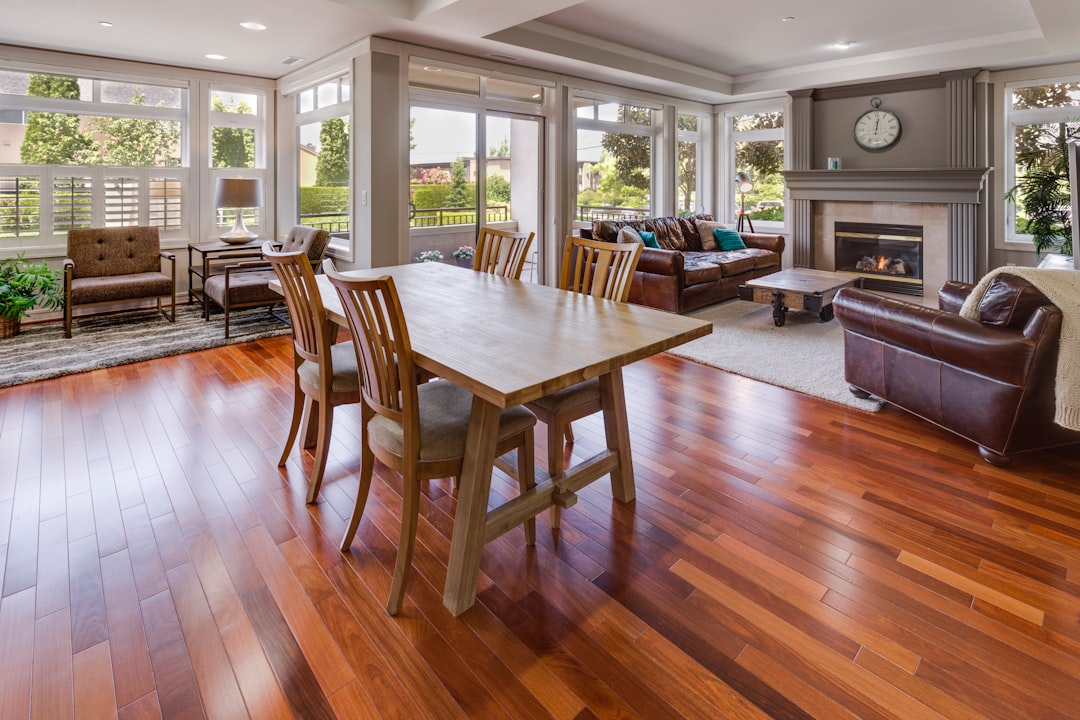
That layered build gives engineered planks more dimensional stability, meaning they expand and contract less as humidity shifts. Solid planks, being one continuous piece, respond more dramatically to seasonal moisture. Both give you a genuine wood surface underfoot, so the visible wear layer can look identical once installed.
Where you live in the home matters too. A ground-floor room over a concrete slab behaves differently than a second-story bedroom, and the construction of each floor type responds to those conditions in distinct ways.
How Installation Shapes Cost and Timeline
Installation is often where the real budget separation between engineered hardwood floors vs solid hardwood floors becomes clear. Solid hardwood almost always requires nailing or stapling to a wood subfloor, which limits where it can go and usually means hiring a professional. Engineered planks offer more methods, including floating, gluing, and stapling, which opens up basements and concrete slabs.
That flexibility can shorten timelines and lower labor costs. A floating engineered floor can sometimes be handled by a capable homeowner over a weekend, while solid hardwood installation tends to stretch across multiple days with acclimation time built in.
Installation Factors Worth Pricing Out
Before committing, these are the variables that most directly affect your total installation spend and how quickly the project wraps up.
- Subfloor type, since concrete rules out traditional nail-down solid hardwood
- Whether you install yourself or hire a crew, which can double the per-square-foot figure
- Acclimation time, as solid planks often need days to adjust to the room before work begins
- Removal and disposal of existing flooring, frequently a separate line item
- Trim, transitions, and thresholds, which add up across multiple rooms
Long-Term Value, Refinishing, and Lifespan
This is where many homeowners make their decision, because the two floors age on different schedules. Solid hardwood can be sanded and refinished many times over its life, sometimes lasting several decades or longer with periodic attention. That capacity for renewal is a genuine advantage if you expect to stay put and want the option to change stain colors down the road.
Engineered hardwood can also be refinished, but only as often as its wear layer allows. A thicker veneer might permit two or three light sandings, while a thin one may allow none. When you compare that against the moisture resistance engineered floors bring to challenging spaces, the tradeoff becomes a matter of priorities.
Resale value tends to favor real wood in either form over most alternatives, and buyers often do not distinguish sharply between the two once the floor is down. What they notice is condition, finish, and how the wood suits the home.
Considerations That Affect Value Over Time
These factors influence how well your investment holds up and what you can expect years after installation.
- Veneer thickness on engineered planks, which determines future refinishing potential
- Species and hardness, affecting how the surface resists dents and scratches
- Humidity control in your home, a major driver of how long either floor stays flat and gap-free
- Finish quality, since factory finishes on engineered planks are often more durable than site-applied ones
- How long you plan to own the home, which shifts the math on refinishing capacity
Matching the Floor to the Room and the Homeowner
The strongest decisions come from thinking room by room rather than searching for a single answer for the whole house. A finished basement, a kitchen prone to spills, or a home in a humid climate leans toward engineered construction for its stability. A formal living space in a climate-controlled home where you intend to stay for years may favor the renewability of solid hardwood.
Budget interacts with all of this. Engineered floors can carry a wide price range depending on veneer quality, so a premium engineered plank may cost more than a modest solid one. Comparing samples in your actual lighting, and factoring in installation method, gives you a more honest picture than a shelf price alone.
Your tolerance for maintenance also plays a role. Both floors need care, but the way each responds to moisture, sunlight, and daily traffic will shape how satisfied you feel a few years in.
Bringing the Decision Into Focus
Choosing between engineered hardwood floors vs solid hardwood floors ultimately rests on the conditions of your home, your timeline, and the weight you place on renewability versus stability. Someone planning a long tenure in a dry, climate-controlled house may value the repeated refinishing that solid wood allows. Someone installing over concrete or in a moisture-prone space may find engineered construction removes obstacles that solid hardwood cannot.
Price, subfloor, installation method, and expected lifespan all feed into the same picture, and no single factor decides it alone. The most useful step is to gather real samples, confirm what your subfloor will accept, and price the full installation rather than the plank cost by itself. With those details in hand, the distinction between the two floors becomes far easier to reason through for your particular situation.