
Have you ever opened your monthly power bill and wondered which of your habits actually moved the number, and which ones barely registered? Electricity spending is rarely about one large culprit. It is the accumulation of dozens of small choices, some worth changing and some not worth the trouble. Understanding how to save money on electricity starts with separating the adjustments that pay off from the ones that only feel productive.
Where Your Money Actually Goes Each Month
Before changing anything, it helps to know which appliances and systems drive the bulk of your costs. Heating and cooling typically dominate, often accounting for close to half of a home's energy use. Water heating, refrigeration, and laundry follow at a distance. The devices you notice most, like a television or phone charger, usually contribute far less than the systems running quietly in the background.
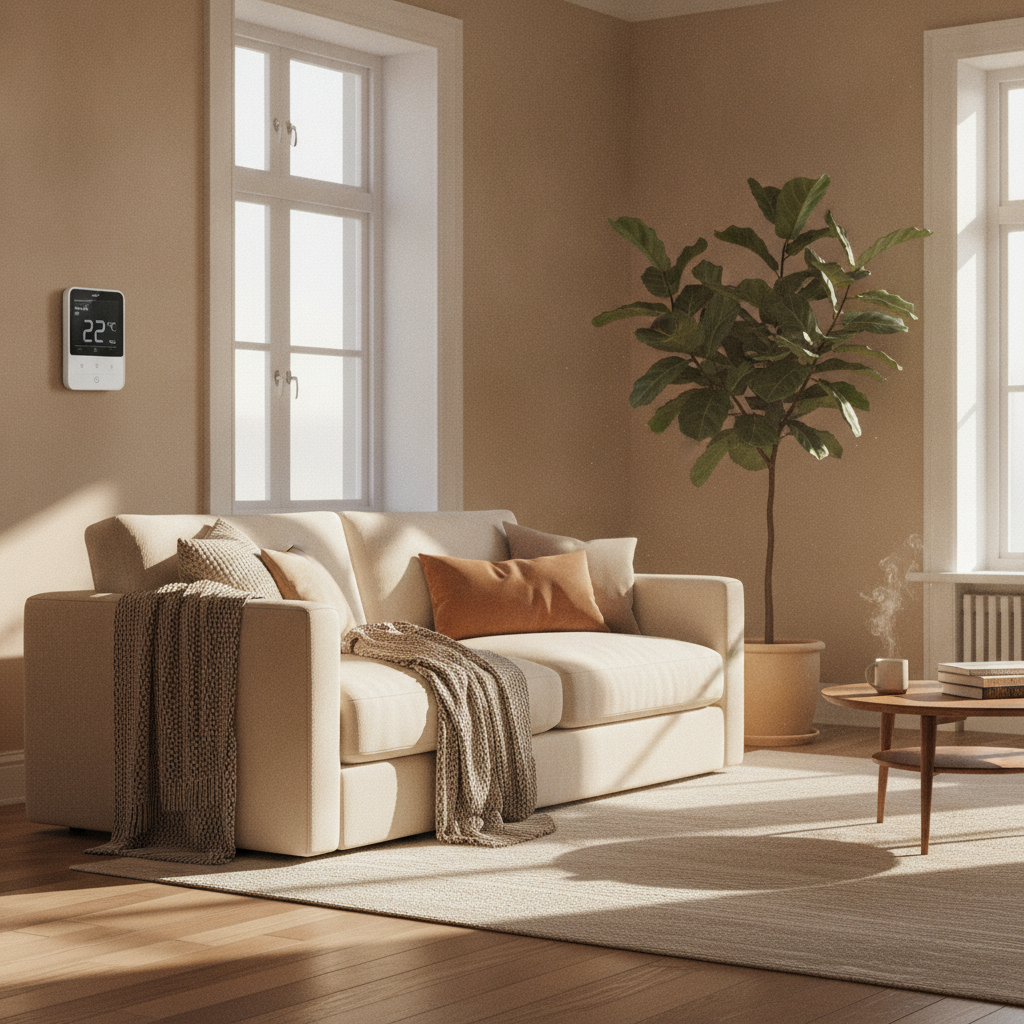
This matters because effort should follow impact. Spending an afternoon unplugging idle electronics might save a few dollars a year, while adjusting how you run your heating and cooling can shift the bill meaningfully. When you know how to save money on electricity, you start with the largest line items rather than the most visible ones.
A simple way to map your usage is to look at seasonal patterns. If your bill spikes in the hottest and coldest months, your climate systems are the story. If it stays flat year-round, water heating and constant loads like refrigeration deserve more attention.
Systems That Deserve The Most Attention
- Central heating and air conditioning, which run for long stretches and draw significant power
- Electric water heaters, which maintain temperature around the clock
- Refrigerators and freezers, especially older or secondary units
- Clothes dryers, which convert electricity into heat inefficiently
Low-Effort Changes That Keep You Comfortable
Comfort and savings are often treated as opposites, but many adjustments cost you nothing in daily experience. Setting your thermostat a few degrees closer to the outdoor temperature while you sleep or while the house is empty rarely registers as discomfort, yet it reduces the hours your system works hardest. The goal is to trim waste at moments you are not present to notice it.
Small habits compound over a year. Washing clothes in cold water, running full dishwasher loads, and letting dishes air dry all reduce demand without asking you to live differently. These changes are appealing precisely because they require a decision once and then run on autopilot.
The tradeoff here is minimal, which is what makes these worth doing first. You are not sacrificing anything you would miss, and the cumulative effect on your bill is steady rather than dramatic.
Habits Worth Building Into Your Routine
- Adjusting the thermostat during sleep and away hours
- Washing laundry in cold water when the load allows
- Running dishwashers and washing machines only when full
- Closing blinds during peak sun to reduce cooling demand
- Switching frequently used bulbs to LED equivalents
Upgrades And Tools Worth Weighing
At some point, habits reach their limit and the conversation turns to equipment. This is where the math becomes personal, because an upgrade only makes sense when the savings recover the cost within a timeframe you find reasonable. A programmable or learning thermostat is often the easiest entry point, since it automates the temperature discipline that most households struggle to maintain by hand.
Larger investments, such as replacing an aging water heater or upgrading insulation, carry higher upfront costs but longer payback horizons. An older refrigerator running in a garage can quietly cost more each year than a modern replacement, which changes how you think about keeping it around. The value is not in the purchase itself but in how many years of lower bills follow it.
Monitoring tools also deserve consideration. Smart plugs and whole-home energy monitors give you visibility into which devices draw the most, turning guesswork into evidence. That information helps you decide whether an upgrade is justified or whether a habit change would accomplish the same result for free.
Upgrades That Tend To Justify Their Cost
- Programmable or smart thermostats that automate temperature setbacks
- Additional attic or wall insulation that reduces heating and cooling loss
- Energy-efficient replacements for refrigerators or water heaters near the end of their life
- Smart plugs and monitors that reveal hidden or standby power use
When evaluating any of these, weigh the purchase price against the estimated annual savings and the expected lifespan of the equipment. A tool that pays for itself in two years and lasts a decade is a different proposition than one that takes eight years to break even. Rebates and utility incentives can shorten that timeline, and they are worth checking before you commit to a purchase.
Reading Your Rate And Timing Your Usage
Not all electricity costs the same at every hour. Many providers offer time-based rates where power is cheaper overnight and more expensive during late-afternoon peaks. If your plan works this way, shifting laundry, dishwashing, and device charging to off-peak windows can lower your bill without changing how much energy you use at all. The savings come purely from timing.
Understanding your rate structure is the first step, since the strategy is worthless if your plan charges a flat rate. It is worth reviewing your bill or contacting your provider to confirm which pricing model applies to you. Some households find that switching to a time-based plan pays off, while others discover their usage pattern makes a flat rate the steadier choice.
Service options extend beyond timing. Comparing available plans, asking about budget billing to smooth seasonal swings, and understanding any fees for switching all factor into the long-term picture. These decisions rarely deliver a dramatic overnight drop, but they shape the baseline you pay against every month for years.
Questions To Ask Before Adjusting Your Plan
- Whether your current rate is flat or varies by time of day
- Which hours count as peak and off-peak under your plan
- Whether budget or averaged billing is available to reduce seasonal spikes
- What fees or contract terms apply if you switch plans or providers
Building A Sustainable Approach To Your Bill
The most durable savings come from treating your electricity use as a system rather than a series of one-off fixes. Start with the free habit changes, layer in the timing adjustments your rate allows, and reserve upgrades for the moments when equipment is failing anyway or the payback math clearly works. This sequence keeps your money aligned with your results.
Revisiting your approach once or twice a year keeps it honest. Usage shifts as seasons, household size, and equipment age change, and a strategy that fit last year may leave savings on the table now. Comfort remains the constant you are protecting, so any change that meaningfully degrades daily life is rarely worth the marginal reduction on your bill.
Seen this way, lowering your electricity costs is less about a single decision and more about steady, informed attention to where the money goes and what each adjustment asks of you in return.