
When was the last time you actually looked up at your gutters instead of past them? For most homeowners, the system fades into the background until water is spilling over the edge or a section starts pulling away from the fascia. Those visible signals are rarely sudden. They build quietly over months, and each one tells you something specific about how your home is handling water.
The Visual Cues That Something Is Wrong
Gutters give plenty of warning before they fail outright. The trouble is that the earliest signs are easy to dismiss as cosmetic. A faint stripe of dirt on the siding, a plant sprouting from a corner, or water dripping in the wrong place during a storm all point back to the same source. Learning to read these cues turns a reactive expense into a manageable routine.
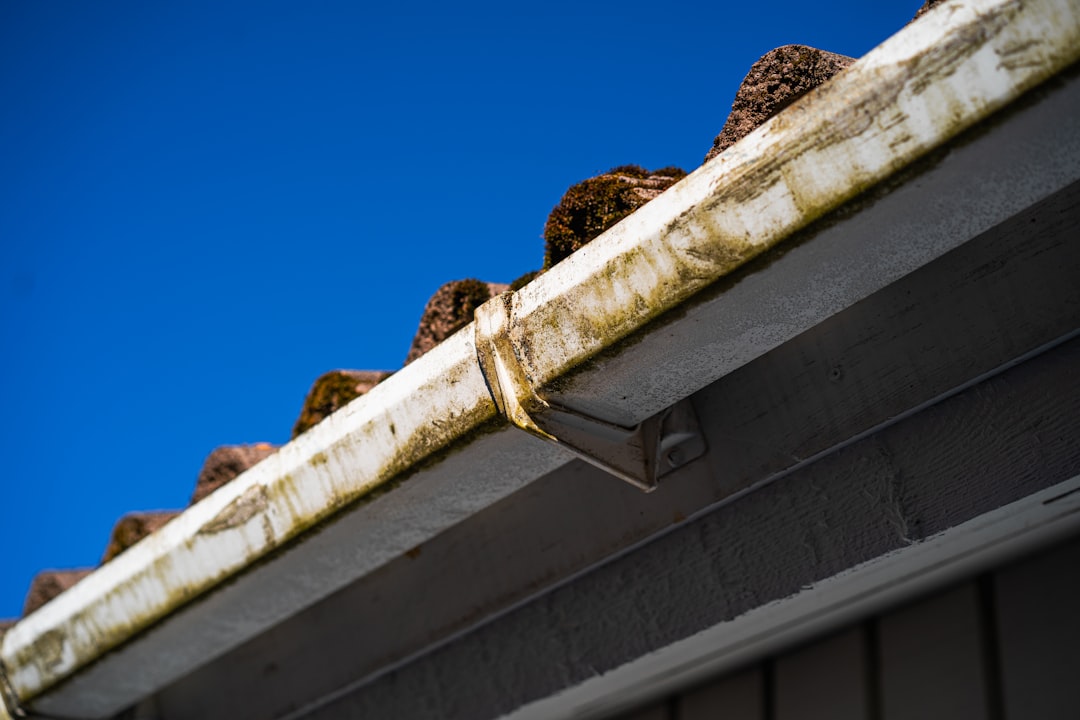
Consider a common scenario. You notice a dark vertical streak beneath a seam after a heavy rain. That streak usually means water is escaping where it shouldn't, which points to a clog, a sag, or a failed joint upstream. The stain itself is harmless, but the water movement behind it is not.
Signs Worth Inspecting After a Storm
- Water sheeting over the front edge rather than draining through the downspout
- Dark streaks or mildew patches on the fascia and siding directly below the gutter line
- Pooling or eroded soil at the base of the exterior walls
- Visible sagging or separation between the gutter and the roofline
- Peeling paint or soft, discolored wood along the trim
Any one of these on its own is worth a closer look. Several appearing together suggest that routine maintenance for gutters has slipped further behind than you realized, and the system is no longer moving water where it should.
What Overflow and Sagging Reveal About the System
Overflow is the symptom homeowners notice first, but it is worth understanding what it actually indicates. When a gutter overflows, the channel has either filled with debris or lost its slope toward the downspout. Both conditions change how weight sits in the trough. A clogged, water-filled gutter can carry a surprising load, and that added weight is what eventually pulls fasteners loose and creates the sag you see from the yard.
Sagging matters because it compounds. Once a section dips, water collects at the low point instead of flowing through, which accelerates rust, seam failure, and further separation. A gutter that has begun to sag rarely corrects itself. The longer it sits, the more likely you are to replace hardware, sections, or the fascia board behind them rather than simply clearing a blockage.
There is also a hidden cost worth weighing. Water that consistently overflows near the foundation can migrate into a basement or crawlspace, and foundation-related repairs run into the thousands. Viewed against that, keeping the channels clear is one of the least expensive forms of protection a home has.
Staining, Growth, and the Damage You Cannot See
Some of the most telling signs appear on surfaces around the gutter rather than in the gutter itself. Staining on siding, rotting fascia, and small plants taking root in a trough all indicate that organic debris has been sitting long enough to hold moisture and support growth. By the time greenery is visible from the ground, the interior of the channel has likely held standing water for weeks.
The concern is what that trapped moisture reaches. Water backing up under shingles can work into the roof deck, and water spilling behind the gutter can saturate the trim it is attached to. These are the failures you do not notice until a ceiling stain or a soft board forces the issue, and by then the repair is no longer limited to the gutter.
Interior and Structural Warnings to Take Seriously
- Water spots or discoloration on upper-floor ceilings and interior walls
- Musty odors or dampness in a basement or crawlspace after rain
- Cracks forming near the base of exterior walls or the foundation
- Wood that feels spongy or flakes when pressed along the roofline trim
These warnings sit at the expensive end of the spectrum. They represent the difference between an afternoon of gutter cleaning and a structural repair, which is precisely why the earlier cosmetic signs deserve attention.
Deciding Between Upkeep, Upgrades, and Outside Help
Once you can read the signs, the practical question becomes how to act on them. For a single-story home with accessible edges, seasonal gutter cleaning is often a manageable task with a sturdy ladder, gloves, and a hose. The cost is mostly your time, and doing it twice a year, typically in late spring and again after the leaves drop, keeps most systems ahead of trouble.
The calculation changes with height, roof pitch, and surrounding trees. Two-story homes and steep rooflines introduce real safety risk, and a fall carries a cost no maintenance schedule justifies. Professional cleaning services generally price by the linear foot or by the visit, and many homeowners find the fee reasonable compared to the alternative of working at height. It is worth confirming whether a service includes minor repairs, resealing seams, or reattaching loose sections, since those small fixes are often what actually restore proper drainage.
Upgrades enter the conversation for anyone tired of the cycle. Gutter guards and mesh screens reduce how often debris accumulates, though they carry an upfront cost and do not eliminate maintenance entirely. Seamless gutters and larger downspouts can improve capacity on homes that consistently overflow during heavy rain.
Factors That Shape the Right Approach for Your Home
- The height and pitch of your roof, which determine how much risk a do-it-yourself approach carries
- The number and type of trees overhanging the roofline, which drive how quickly debris builds
- Your local rainfall patterns and how often the system is pushed to capacity
- The age and material of the existing gutters, which affect whether repair or replacement makes more sense
- The long-term value of protecting the foundation, roof, and trim against water damage
None of these factors points to a single answer for every home. A modest ranch surrounded by open lawn has very different needs than a tall house under mature oaks, and the maintenance rhythm should reflect that.
Keeping Water Working in Your Favor
Gutters exist to move water away from the surfaces that damage most easily, and the signs discussed here are simply the system telling you how well it is doing that job. Overflow, sagging, staining, and interior spots each mark a different stage in the same progression, from a routine clog to a repair you would rather avoid. Reading them early keeps the response small and the cost contained. The condition of your gutters is, in the end, a fairly honest reflection of how consistently the system has been maintained.