
Are you paying for a gigabit connection when your household barely touches a fraction of it each month? Many people sign up for the fastest tier available, assuming more speed always translates to a better experience. In reality, the connection that suits a home depends on how many devices are active, what those devices are doing, and when they tend to compete for bandwidth. Understanding that gap is where real savings begin.
Understanding What Your Household Actually Consumes
Speed is often sold as a single impressive number, but daily internet use rarely stresses that ceiling. A household streaming a movie in high definition, checking email, and browsing simultaneously might use only a modest slice of a 300 Mbps plan. The disconnect between advertised speed and lived experience is where overpaying quietly takes root.
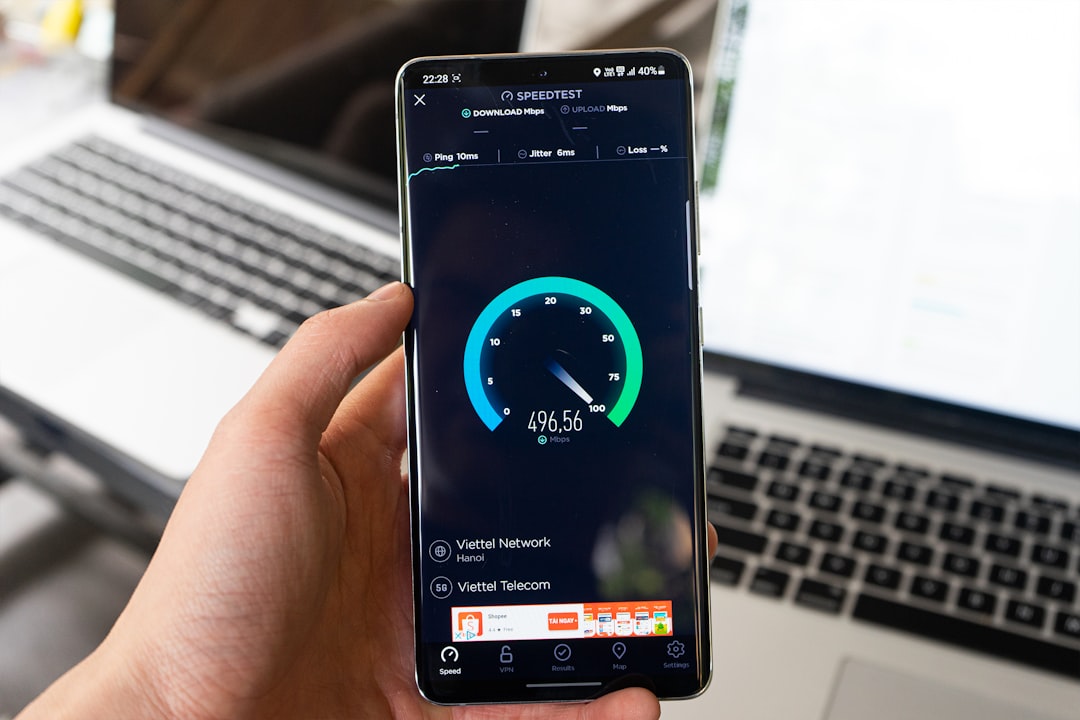
Consider a family of four on a weekday evening. One person watches a show, another scrolls social media, and a third joins a video call. Even with everything running at once, the combined demand often stays well under 100 Mbps. Optimizing home internet starts with honestly measuring how your household behaves rather than reacting to marketing.
Common Activities And Their Typical Demands
Knowing the rough bandwidth different tasks require helps you separate genuine need from perceived need.
- Standard-definition video streaming generally uses 3 to 5 Mbps per stream.
- High-definition streaming typically runs between 5 and 10 Mbps per device.
- Video calls usually draw 2 to 4 Mbps for smooth quality.
- Web browsing, email, and messaging rarely exceed 1 to 2 Mbps.
- Large file downloads and cloud backups benefit from higher speeds but happen intermittently.
These figures reveal an important truth. Even a household running several activities at once often stays comfortably within a mid-tier plan, leaving expensive top-tier speeds largely idle.
Matching A Plan To Real Usage Patterns
Once you understand consumption, the next step is aligning it with a plan that reflects your peak moments rather than your theoretical maximum. Peak demand matters more than total data, because slowdowns happen when multiple heavy tasks collide. A home where three people stream in 4K simultaneously has different needs than one where activity is staggered throughout the day.
Think about timing as much as volume. If everyone in your home is online between 7 and 10 p.m., that window defines the connection you need. Outside those hours, even a modest plan feels effortless. Optimizing home internet means designing around your busiest realistic moment, not padding for scenarios that never occur.
It also helps to account for growth. If you expect to add smart home devices, a home office, or a teenager who games online, a small buffer above current usage is reasonable. The goal is a plan that fits comfortably today with a little room to breathe, not one built for a household you do not have.
Getting More From The Connection You Already Have
Before assuming a faster plan is the answer, it is worth examining whether your current speed is being wasted inside your own home. Many complaints about slow internet trace back to aging equipment, poor placement, or interference rather than the plan itself. Upgrading hardware or adjusting your setup often delivers a noticeable improvement at a fraction of the recurring cost of a higher tier.
A router more than five years old may struggle to deliver speeds you are already paying for. Similarly, a single router in a far corner of the house leaves distant rooms starved of signal. Addressing these issues can make a mid-tier plan feel faster than a premium plan hampered by weak coverage.
Practical Adjustments Worth Testing First
Several low-cost changes can recover performance you may not realize you are losing.
- Position the router centrally and elevated, away from walls, appliances, and metal surfaces.
- Replace a router that no longer supports current wireless standards.
- Add a mesh system or extender for larger homes with dead zones.
- Connect stationary devices like desktops or game consoles by cable to free up wireless capacity.
- Restart equipment periodically and keep firmware current to maintain stability.
These steps often resolve the frustrations that push people toward more expensive plans. When the existing connection performs the way it should, the case for upgrading weakens considerably.
Weighing Cost Against The Value You Receive
The monthly bill is only part of the equation. Introductory pricing frequently rises after a promotional period, and equipment rental fees can quietly inflate the total. A plan advertised at an appealing rate may cost meaningfully more once the first year passes, so it pays to read the terms before committing.
Buying your own modem and router, where the provider permits it, can eliminate recurring rental charges that add up over time. Comparing the true annual cost of two plans, including fees and expected increases, gives a clearer picture than the headline number. Sometimes a slightly slower tier with owned equipment delivers better long-term value than a faster one loaded with add-ons.
It also helps to revisit your arrangement periodically. Providers introduce new tiers and adjust pricing, and a plan that made sense two years ago may no longer be the sensible choice. Reviewing your usage annually and asking whether your current tier still fits keeps you from paying for capacity you outgrew or never used. Matching cost to genuine need is an ongoing practice rather than a one-time decision.
Building A Connection That Fits Your Life
Optimizing home internet is less about chasing the largest number and more about aligning three things: how your household actually uses the connection, how well your equipment delivers what you pay for, and what the plan truly costs over time. When those elements line up, you get reliable performance without funding speed that sits unused.
The most sensible setup differs from one home to the next. A single person working remotely, a busy family with several streamers, and a household of light browsers each have distinct needs and distinct thresholds for what feels adequate. Evaluating your own patterns, testing inexpensive improvements, and understanding the full cost of a plan gives you a grounded basis for whatever choice you make.