
What actually drives the number you see on a window replacement estimate? For most homeowners, the answer feels murky until they start comparing frame materials and the upgrades that layer on top of them. The cost to replace windows depends far less on the glass alone and far more on the choices you make about durability, efficiency, and how long you expect to stay in the home. Those decisions carry weight for years.
Why Frame Material Sets the Price Foundation
The frame material is the single largest factor shaping what you pay, and it also determines how the window ages. Vinyl, wood, and fiberglass each occupy a different tier, and the gap between them widens once you account for installation complexity and expected lifespan. A vinyl unit that looks affordable up front may serve you well for two decades, while a wood frame demands ongoing attention that adds to the true cost over time.
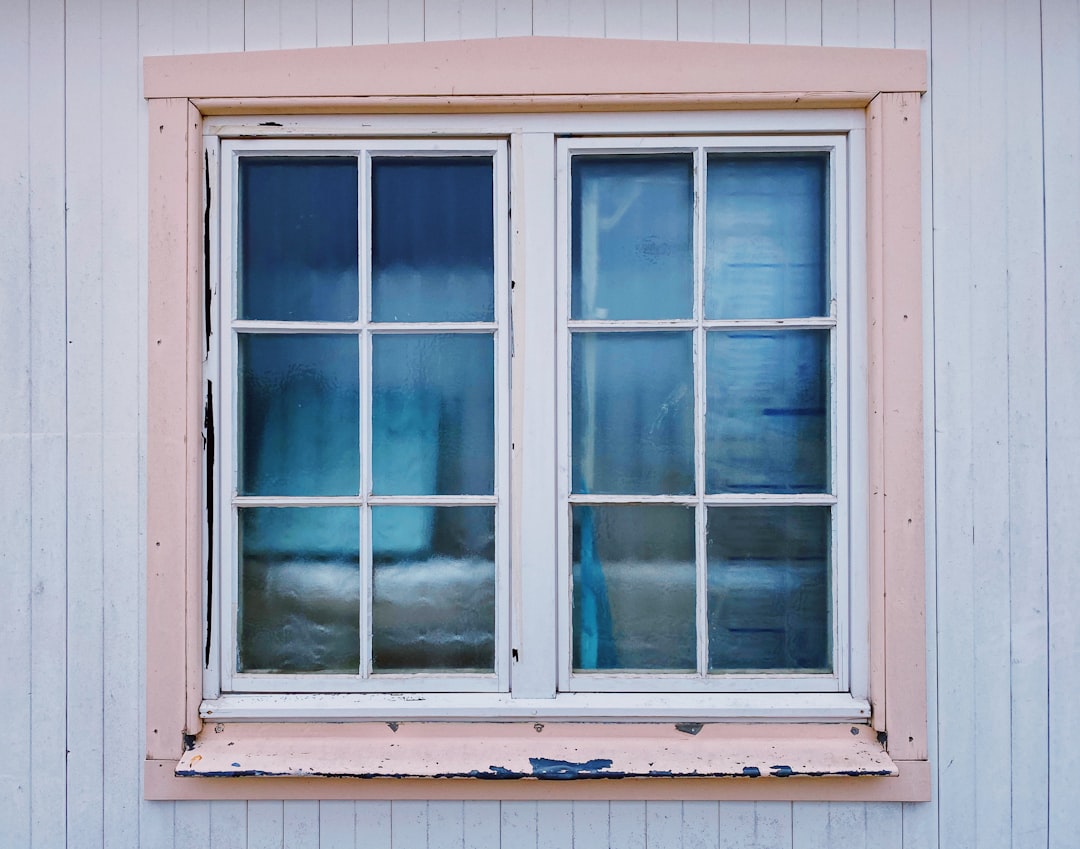
Thinking about material as a foundation rather than a line item changes how you weigh the estimate. A higher upfront price sometimes reflects a longer service life, which reshapes the cost to replace windows when measured across the years you actually own the home.
Common Frame Materials And What They Signal
- Vinyl frames typically sit at the lower end of pricing and resist moisture without painting or sealing.
- Wood frames carry a premium and offer a traditional appearance, but they require periodic maintenance to prevent rot and warping.
- Fiberglass frames fall toward the higher end and are valued for dimensional stability across temperature swings.
- Composite frames blend materials to balance durability against cost, often landing between vinyl and fiberglass.
How Efficiency Upgrades Change the Equation
Once you settle on a frame, the glass package becomes the next lever, and it can move the total meaningfully. Double-pane windows with low-emissivity coatings and inert gas fills cost more than basic units, but they reduce the heat that escapes in winter and enters in summer. For a homeowner in a climate with real temperature extremes, that difference shows up on monthly utility bills rather than staying hidden in the frame.
The tradeoff is straightforward in principle and nuanced in practice. A triple-pane upgrade might add several hundred dollars per window, yet the payback period depends on your energy rates, your local climate, and how long you plan to stay. Those variables determine whether the upgrade earns its place in your budget.
It also helps to remember that efficiency features rarely work in isolation. A well-sealed installation matters as much as the glass itself, because a premium window installed poorly loses much of the benefit you paid for.
Installation, Sizing, and the Hidden Line Items
The estimate you receive rarely reflects the window alone. Labor, disposal of old units, and any repairs to the surrounding frame or trim all factor in, and they can surprise homeowners who focused only on the product price. A standard-size replacement in a sound opening costs less to install than a custom shape or a window that reveals rot once the old unit comes out.
Access matters too. Second-story windows, bay configurations, or openings that require scaffolding raise labor time and, with it, the total. Understanding these variables before you sign helps you read an estimate accurately and compare bids on equal footing rather than reacting to the headline figure.
Cost Drivers Beyond the Window Itself
- Removal and disposal of existing windows and any lead-safe handling required in older homes.
- Repairs to rotted framing, sills, or trim discovered during removal.
- Custom sizing or non-standard shapes that cannot use stock inventory.
- Difficult access, such as upper floors or windows above landscaping and hardscape.
- Permits and inspection fees that vary by municipality.
Weighing Long-Term Value Against Upfront Spend
The most useful way to judge any window project is to look past the invoice and consider the years that follow. A fiberglass or quality vinyl window that lasts decades with minimal upkeep may cost more today but less over its full life. Wood rewards those willing to maintain it with warmth and character, though the maintenance is a recurring line in the budget rather than a one-time expense.
Resale considerations enter here as well. Buyers often notice new, efficient windows, and the perceived value can influence how a home shows on the market. That said, recovering the full cost through resale is not guaranteed, so the decision usually rests more on the comfort and savings you enjoy while living there.
Balancing these factors is a personal calculation. Your climate, your timeline, and your tolerance for maintenance all shape which material and upgrade combination fits your situation.
Questions Worth Answering Before You Commit
- How many years do you expect to remain in the home after the replacement?
- What are your current heating and cooling costs, and how much room is there to reduce them?
- Are you prepared for ongoing maintenance, or do you prefer a low-upkeep material?
- Does the window count and access make phased replacement more practical than doing everything at once?
Making Sense of Your Own Estimate
By the time you hold a written quote, the pieces should connect: frame material sets the baseline, glass and efficiency features adjust it, and installation realities fill in the rest. Reading an estimate with that framework lets you see where your money goes and which choices you can flex without compromising the outcome you care about most.
No single answer fits every home, and the cost to replace windows will always reflect the specific combination of materials, upgrades, and conditions in front of you. Weighing those elements against your own priorities is what turns a confusing number into an informed decision.