
What does a potential buyer notice in the first ten seconds of pulling up to your home? Long before they walk through the front door, the exterior has already shaped their expectations and, often, the offer they are willing to make. The encouraging part is that meaningful improvements rarely require a major renovation budget. Smart, modest changes to the yard, paint, and entry can shift how your property reads to anyone standing on the sidewalk.
Why First Impressions Shape Your Home's Value
Curb appeal is not vanity. It functions as a signal to buyers and appraisers about how well the entire property has been maintained. A tidy, intentional exterior suggests the mechanical systems, roof, and interior have received the same care, which reduces perceived risk.
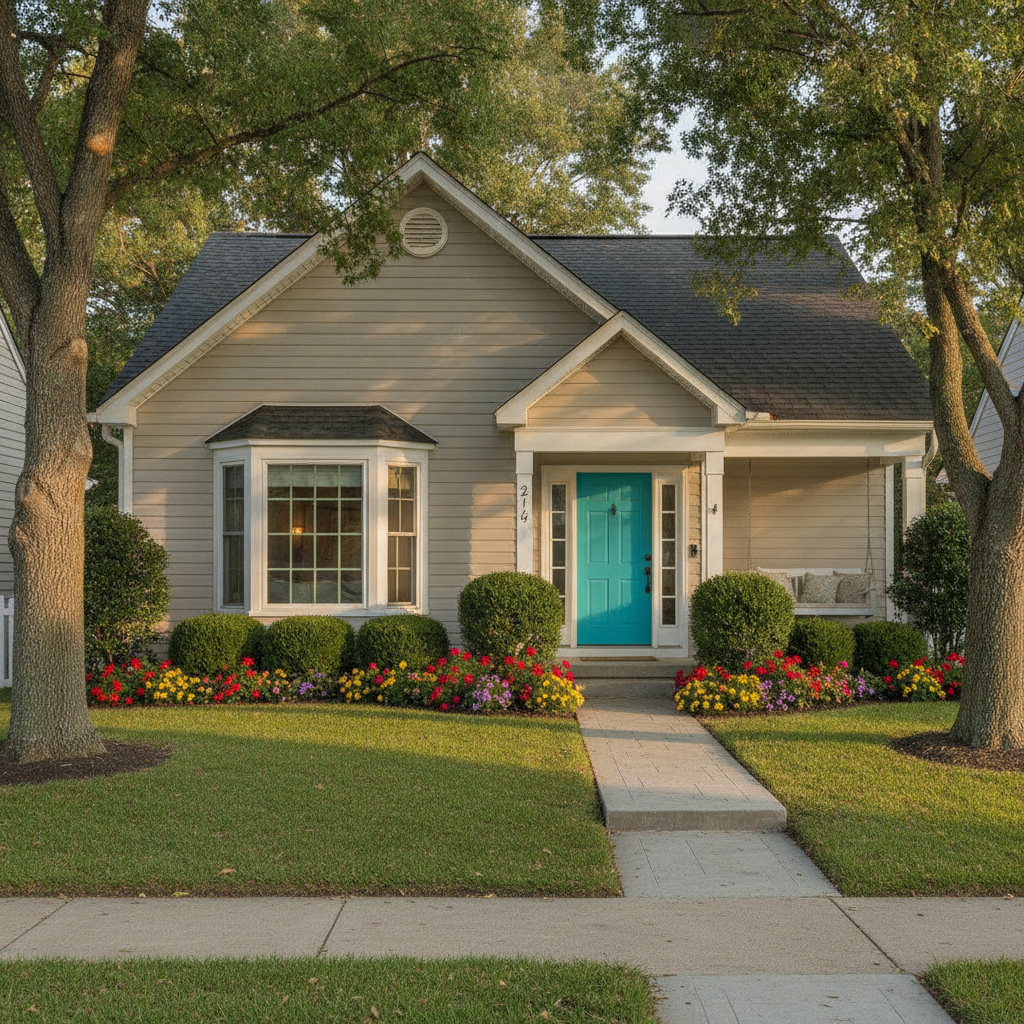
That perception translates into real money. When a home looks neglected from the street, buyers mentally subtract repair costs and factor in hassle before they ever negotiate. A clean, welcoming facade does the opposite, anchoring the conversation around the home's strengths rather than its flaws.
Landscaping Changes That Deliver the Most
Landscaping is one of the few exterior upgrades where sweat equity substitutes directly for cash. A weekend of trimming, edging, and mulching can transform an overgrown yard into something that looks professionally kept. The goal is order and definition, not an elaborate garden that future owners must maintain.
Focus your effort where the eye naturally travels. Crisp lawn edges, a fresh layer of dark mulch around beds, and a few healthy plants near the entry create immediate visual structure. Overgrown shrubs blocking windows should come down to size, since they darken interiors and hide architectural details buyers want to see.
Low-Cost Planting Moves Worth Prioritizing
- Edging flower beds and walkways for a defined, maintained line
- Adding mulch or stone groundcover to suppress weeds and unify beds
- Planting a small cluster of perennials that return each season
- Removing dead or leggy shrubs rather than trying to revive them
- Keeping the lawn mowed, watered, and free of visible bare patches
Paint and Color Upgrades Worth Considering
Few budget home improvements change a home's character as fast as paint. You do not need to repaint the entire siding to see a difference. Targeted color work on the front door, shutters, trim, and railings refreshes the whole look for the cost of a few gallons and a weekend.
Color choice matters more than quantity here. A front door in a confident but not jarring shade draws the eye toward the entrance, while clean white or crisp trim sharpens the lines of the house. If the siding itself looks tired, a thorough pressure wash often restores enough brightness to delay a full repaint entirely.
Entryway Improvements That Welcome Buyers
The entry is where a buyer pauses while the agent works the lockbox, so it earns more scrutiny than any other spot. Small details carry outsized weight in that moment. A scuffed door, a dim porch light, or a cracked welcome mat quietly undercuts everything else you have done.
Think of the entry as a staged scene the visitor steps into. A clean door, polished or replaced hardware, a working light fixture, and a simple planter signal that the home is loved and move-in ready. These exterior upgrades cost little individually but compound into a strong first impression.
Entry Details That Reward Modest Spending
- Replacing dated or tarnished door handles and deadbolts
- Swapping a worn porch light for a brighter, current fixture
- Adding house numbers that are legible from the street
- Setting out a fresh doormat and a potted plant or two
- Repainting or refinishing the door to remove scuffs and fading
Lighting and Hardware for Nighttime Appeal
Many buyers do their first drive-by after work, when daylight is fading. Exterior lighting determines whether your home reads as warm and secure or dim and overlooked after sunset. It also extends the hours during which your curb appeal actually works for you.
Solar path lights and low-voltage fixtures are inexpensive and simple to install without an electrician. Placed along a walkway or aimed at a tree or the facade, they add depth and a sense of safety. Pairing updated lighting with refreshed hardware such as mailbox, numbers, and door fittings pulls the whole exterior together into one deliberate look.
Fixing the Small Flaws Buyers Notice
Deferred maintenance tells its own story, and buyers read it fluently. A sagging gutter, peeling caulk, or a wobbly railing hints at larger neglect even when the issue is purely cosmetic. Addressing these details protects the value your other upgrades create.
Walk your property as a stranger would and note anything that looks broken, dirty, or temporary. Reattaching trim, cleaning the gutters, straightening a leaning fence post, and clearing moss from the roofline are low-cost tasks that remove objections before they form in a buyer's mind.
Planning Your Budget and Return
Not every improvement earns back its cost equally, so sequencing matters when funds are limited. The most reliable gains come from cleaning, paint, and landscaping, because they address the exact signals buyers use to judge upkeep. Larger projects like new siding or a replacement entry door can add value too, but they carry longer timelines and heavier spending.
Set a working budget and tackle the visible, high-contrast items first. You can handle most of this work yourself with basic tools, reserving paid help for anything involving heights, electrical connections, or structural repair. Tracking what you spend against the lift in appeal helps you decide when you have reached the point of diminishing returns.
Where to Direct Limited Funds
- Cleaning and decluttering, which cost little beyond time
- Front door and trim paint for high visual impact per dollar
- Landscaping cleanup that defines and maintains the yard
- Lighting and hardware that modernize the entry and perimeter
- Repairs that eliminate signs of deferred maintenance
Bringing Your Exterior Together
The strongest curb appeal rarely comes from one dramatic change. It emerges when paint, landscaping, lighting, and small repairs reinforce the same message of care and readiness. Each individual upgrade is modest, but together they reshape how your home is valued from the moment someone arrives.
Approach the exterior as a connected whole rather than a checklist of isolated fixes. A home that looks consistent, cared for, and welcoming from the street gives buyers fewer reasons to hesitate and more reasons to picture themselves living there.