
Is your home still running on a 100-amp electrical panel while your demands keep climbing? Between electric vehicle chargers, induction ranges, and heat pumps, many older systems are simply running out of headroom. Moving to a 200 amp service is one of the more common home electrical investments homeowners weigh today, and the price tag depends on far more than the panel itself.
Why Homeowners Reach the Limit of 100 Amps
A 100-amp panel was generous when homes relied on gas heat, modest appliances, and a handful of outlets per room. Today's households run differently. A single Level 2 EV charger can draw 40 to 50 amps, and that one addition can push an older panel past its comfortable capacity.
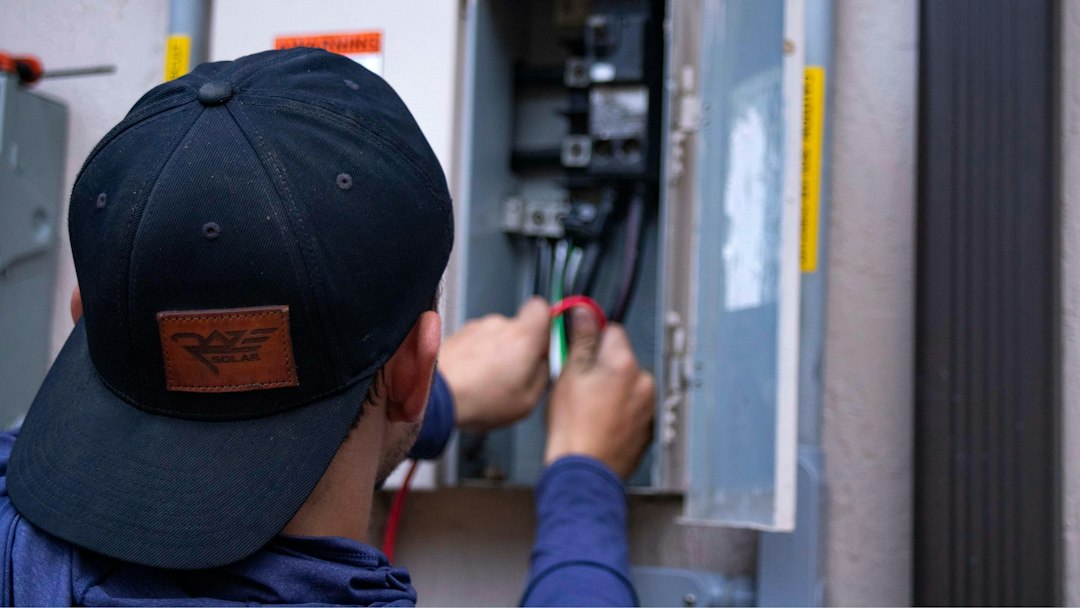
You may notice the signs before an electrician does. Breakers trip when the oven and air conditioner run together, lights dim when a large appliance starts, or you simply have no open slots left for new circuits. These are the practical triggers that lead most people to consider an electrical panel upgrade.
What You Are Actually Paying For
The headline cost of a panel swap can be misleading because the panel is only part of the job. You are paying for the main breaker box, the service entrance cable, the meter base, grounding components, and the labor to tie it all together safely. In many cases the utility and permitting process adds its own layer of time and expense.
Understanding where the money goes helps you read a quote critically rather than reacting to a single number. A low bid that skips the service entrance or grounding work may not reflect the full scope your home needs.
Core Components in a Typical Quote
- The 200-amp panel and main breaker
- New service entrance conductors sized for the higher load
- An updated meter socket and weatherhead where required
- Grounding and bonding to current safety standards
- Labor for removal, installation, and inspection coordination
Estimating the Overall Upgrade Cost
For a straightforward swap where the existing wiring and location cooperate, many homeowners see totals in the range of $1,500 to $3,000. When the job requires a new meter base, longer service cable runs, or trenching for an underground feed, the figure can climb toward $4,000 or more. The upgrade cost scales with complexity, not just amperage.
Treat any estimate as a starting point until an electrician inspects the panel location, the condition of your existing wiring, and the path from the utility connection. A quote given over the phone rarely survives contact with an older home.
Permits, Inspections, and Utility Coordination
A 200 amp service change is not a quiet weekend project. Because it touches the main service and the meter, it almost always requires a permit and at least one inspection. The utility also has to disconnect and reconnect power, which means the work has to be scheduled around their availability rather than yours.
Permit fees vary widely by jurisdiction, often landing somewhere between $100 and $500. Expect the overall timeline to span a day of active work plus additional days for approvals and the utility visit. Factoring this coordination in prevents surprises when the calendar stretches longer than the labor itself.
Labor Rates and How They Shape the Bill
Labor is frequently the largest single line in a panel upgrade, and it reflects both skill and risk. A licensed electrician is working with live service conductors, so the rate carries the weight of that responsibility. Hourly charges commonly fall between $50 and $130, though many pros quote the job as a flat package.
A clean, accessible panel in an attached garage takes far less time than one buried in a finished basement wall or mounted on a weathered exterior. When you compare bids, look at what each electrician assumes about access and surprises, because that assumption drives the hours.
Conditions That Raise Labor Hours
- A panel located far from the meter or buried behind finished walls
- Aluminum branch wiring that needs attention during the swap
- Code-required upgrades like arc-fault or ground-fault protection
- Asbestos or other hazards near the existing service
- Repositioning the panel to meet current clearance rules
Hidden Costs Worth Anticipating
The expenses that strain a budget are usually the ones that surface mid-project. Once a wall is open, an electrician may find outdated grounding, corroded cable, or circuits that no longer meet code. Addressing those issues is rarely optional once discovered, since the inspection depends on them.
Drywall repair is another line people forget. Running new service conductors or relocating a panel can mean opening and later patching walls, and that patching may fall to you or add to the bill. Setting aside a contingency of ten to fifteen percent gives you room to absorb these findings calmly.
Weighing the Long-Term Value
A panel upgrade rarely pays you back in a tidy monthly line item, but it changes what your home can do. With a 200 amp service in place, you can add an EV charger, a heat pump, or a workshop circuit without revisiting the main service again. That capacity also tends to reassure buyers and inspectors when a home changes hands.
There is a safety dimension too. Older panels from certain decades have known failure patterns, and replacing them removes a genuine hazard rather than simply adding convenience. When you frame the spend against decades of use, the per-year figure looks modest.
Benefits That Extend Past the Install
- Capacity for future high-draw appliances and vehicle charging
- Reduced nuisance tripping and dimming under load
- Removal of aging or recalled equipment that insurers scrutinize
- A documented, inspected service that supports a future sale
Choosing and Vetting an Electrician
Because this work sits at the intersection of safety and permitting, the person you hire matters as much as the price. A licensed, insured electrician who pulls the permit and schedules the inspection protects you from liability and from work that fails to pass. A quote that avoids permits is a warning sign, not a bargain.
Ask each candidate how they handle utility coordination, whether drywall repair is included, and how they treat findings discovered mid-job. Clear answers to those questions tell you more about the real cost than the bottom-line number alone.
Planning Your Upgrade With Confidence
An electrical panel upgrade from 100 to 200 amps is a defined project with a reasonably predictable range once a professional has seen your home. The materials, labor, permits, and the occasional hidden repair each contribute to a figure that typically settles between $1,500 and $4,000 for most residential situations.
With a realistic budget, a contingency for surprises, and a licensed professional handling the permit and utility steps, you can approach the decision with the full picture in front of you.