
How much should you expect to pay when your heating and cooling system finally gives out? Replacing an HVAC system is one of the larger home expenses you will face, and the final number depends on far more than the equipment itself. Unit size, efficiency ratings, and the condition of your existing ductwork all shape the total. Understanding how these pieces fit together puts you in a stronger position when the estimates arrive.
What Shapes the Total Price
The sticker price on a furnace or air conditioner is only part of the story. A full HVAC replacement cost blends equipment, labor, permits, and any modifications your home requires. Two houses on the same street can receive wildly different quotes because one needs new ductwork and the other does not.
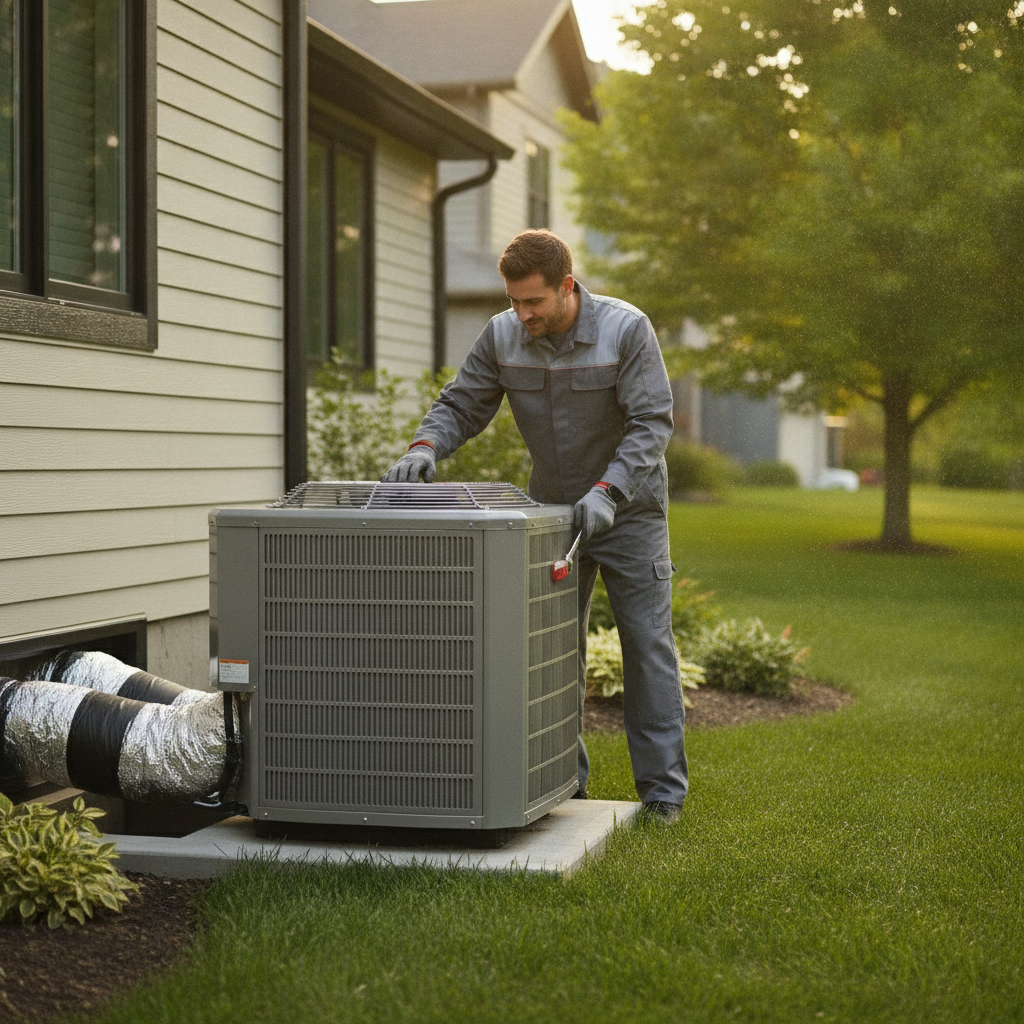
Most complete system replacements fall somewhere between $7,000 and $16,000, with the national average for a central system landing near $7,500 to $12,500. The spread is wide because your home's size, your climate demands, and the efficiency tier you select all pull the number in different directions. Treating any single quote as the market rate is a mistake.
Sizing the Unit to Your Home
Capacity drives a surprising amount of the cost, and bigger is not better. HVAC equipment is measured in tons for cooling and in BTUs for heating, and a system sized correctly for your square footage will run more efficiently and last longer than one that is oversized. An oversized unit cycles on and off too quickly, wearing out components and leaving humidity behind.
A reputable contractor performs a load calculation rather than guessing from square footage alone. Expect a 2,000-square-foot home to need roughly a 3 to 3.5 ton air conditioner, though insulation, window count, and ceiling height all adjust that figure.
Typical Capacity Ranges by Home Size
These approximate pairings help you sanity-check a contractor's recommendation before committing.
- Up to 1,200 square feet often fits a 2 ton system.
- 1,200 to 1,800 square feet commonly uses a 2.5 to 3 ton system.
- 1,800 to 2,400 square feet typically calls for a 3.5 to 4 ton system.
- Larger homes may require 5 tons or zoned multi-unit setups.
How SEER Rating Affects the Bill
The SEER rating measures how efficiently an air conditioner converts electricity into cooling across a season. Higher numbers mean lower operating costs, but they also raise the upfront equipment price. The question you are really answering is how long you plan to stay in the home and how much your summer electric bills sting.
Minimum efficiency standards now sit at 14 or 15 SEER depending on your region, while premium systems climb to 20 SEER or more. Jumping from a 14 SEER to an 18 SEER unit might add $1,500 to $3,000 to the project, yet it can trim cooling costs noticeably over a decade of use.
What You Trade When Choosing Efficiency
Weighing these factors clarifies whether a higher SEER rating earns its premium in your situation.
- Upfront cost rises as the SEER number climbs.
- Monthly electric bills fall, with the biggest savings in hot climates.
- Payback periods often run five to twelve years depending on usage.
- Utility rebates and tax credits can offset part of the premium.
Furnace Install Costs and Fuel Types
A furnace install carries its own set of variables separate from the cooling side. Gas furnaces remain common because of lower operating costs in cold regions, while electric and heat pump options appeal where winters are mild or natural gas is unavailable. Your choice affects both the equipment price and the venting work involved.
A standard gas furnace replacement generally runs $3,000 to $6,500 installed, with high-efficiency condensing models reaching higher. Efficiency here is measured in AFUE, where a 95 percent rating means nearly all the fuel becomes usable heat. The extra venting a condensing furnace requires can add labor if your current setup was not built for it.
Ductwork Pricing and Hidden Repairs
Ductwork is where estimates often surprise homeowners. If your ducts are leaky, undersized, or missing in part of the house, even a top-tier system will underperform. Ductwork pricing depends on how much needs to be replaced and how accessible the runs are behind walls and above ceilings.
Replacing ductwork throughout a typical home commonly costs $2,000 to $6,000, while sealing and minor repairs land far lower. Homes without existing ducts, such as those relying on a ductless mini-split conversion, change the equation entirely and may avoid duct costs while adding per-zone equipment expenses.
Signs Your Ducts May Need Attention
Spotting these conditions early helps you budget before a contractor flags them mid-project.
- Uneven temperatures between rooms on the same floor.
- Visible dust buildup around supply registers.
- Noticeable whistling or airflow noise during operation.
- Energy bills that climb despite a newer thermostat setting.
Labor, Permits, and Timeline Expectations
Labor typically accounts for a meaningful share of any replacement, often 30 to 50 percent of the total. Rates vary by region and by the complexity of the job, and a straightforward swap costs far less in hours than a project involving new ductwork, electrical upgrades, or roof penetrations for venting.
Most standard replacements wrap up in one to three days. Permits and inspections, required in many jurisdictions, add a modest fee and occasionally a scheduling delay. Factoring these into your plan prevents the frustration of a half-finished system waiting on paperwork.
Weighing Long-Term Value Against Upfront Spend
The cheapest quote rarely represents the lowest cost of ownership. A properly sized, correctly installed system with a sensible efficiency rating can run quietly for fifteen to twenty years, while a bargain installation may demand repairs within a few seasons. Warranty terms, contractor reputation, and the quality of the install work matter as much as the brand on the box.
Financing, maintenance plans, and manufacturer rebates can all reshape the real cost over time. Reading the fine print on labor warranties and registering equipment promptly protects the investment you are making.
Questions Worth Asking Each Contractor
Posing these before signing helps you compare quotes on substance rather than price alone.
- Did you perform a load calculation to size the system?
- What SEER and AFUE ratings are included, and why?
- Are ductwork modifications part of this quote?
- What do the equipment and labor warranties actually cover?
Putting the Numbers in Perspective
Replacing an HVAC system asks you to balance immediate budget against years of comfort and operating cost. The equipment, the sizing, the SEER rating, the furnace install, and the ductwork each move the total in ways you can anticipate once you know what drives them. A detailed, itemized estimate turns a confusing lump sum into a set of choices you can evaluate on your own terms. With those pieces understood, the figures on a quote become far easier to read.