
What does your flooring budget actually buy once you move past the showroom price tag? For many homeowners weighing a floor renovation, the choice between hardwood and luxury vinyl plank comes down to numbers that extend well beyond the sticker. Material, labor, and years of upkeep all shape the real figure. Understanding how these costs stack up helps you match a floor to both your rooms and your finances.
Breaking Down The Material Price Per Square Foot
The first number most people compare is the raw material cost, and the gap here is significant. Solid and engineered hardwood typically land in a higher bracket because they rely on actual wood veneer and more complex manufacturing. Luxury vinyl plank, built from layered synthetic materials, usually costs less to produce and ship.
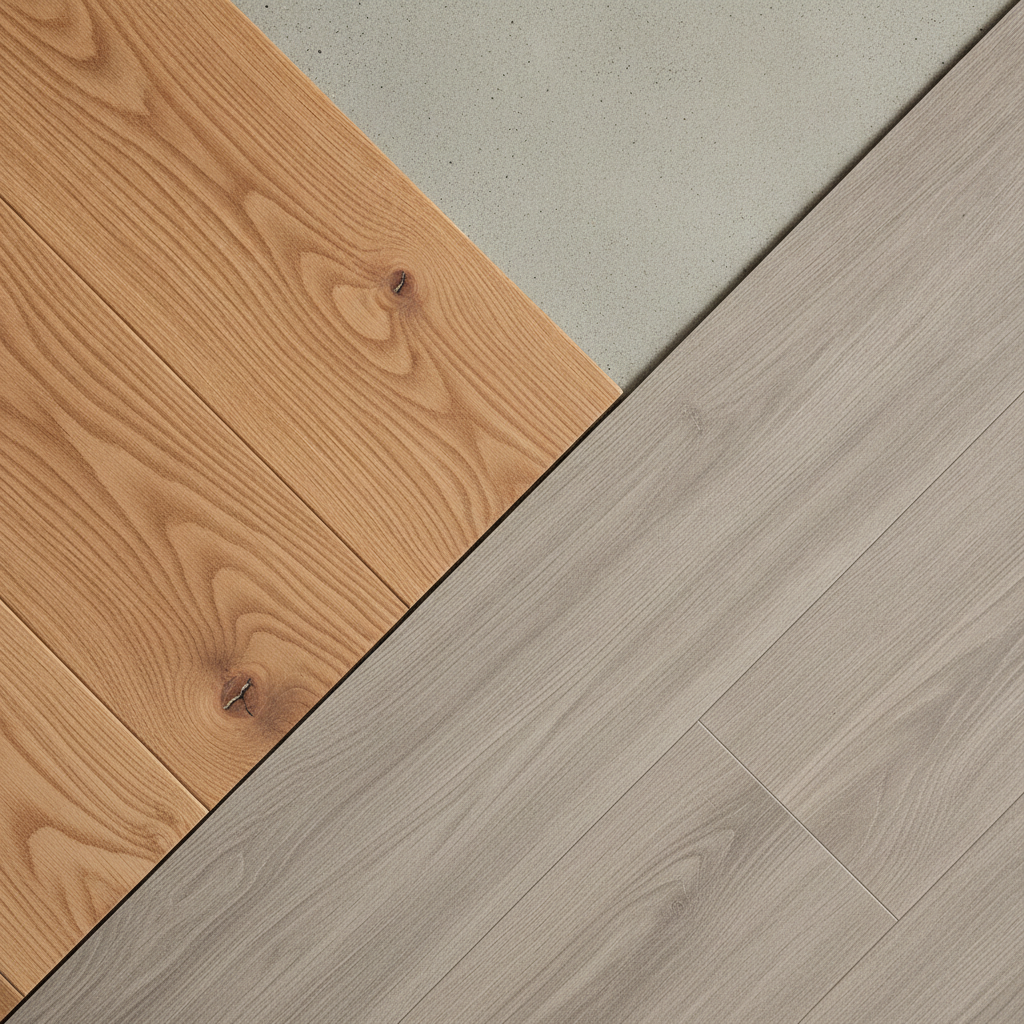
Prices shift with species, thickness, and brand. A domestic oak may sit comfortably in the mid-range, while exotic species or wide-plank formats climb quickly. Vinyl ranges widely too, from thin budget planks to thick, rigid-core products designed to mimic premium wood grain.
Typical Material Ranges To Expect
- Hardwood often falls between $4 and $12 per square foot for materials, with premium species reaching higher.
- Luxury vinyl plank commonly ranges from $2 to $7 per square foot depending on wear-layer thickness and core type.
- Underlayment, adhesives, and trim add a modest but real amount to both options.
What Installation Labor Adds To The Total
Labor can rival or exceed the material cost, so it deserves equal attention in any renovation budget. Hardwood installation tends to be more labor-intensive, especially when nailing or gluing solid planks over a subfloor that needs preparation. Skilled carpentry raises the hourly rate, and intricate patterns push it further.
Luxury vinyl plank often installs faster, particularly click-lock floating systems that require no adhesive. That speed translates to lower labor charges and shorter disruption to your household. The simpler process also opens the door to capable homeowners handling parts of the job themselves.
Factors That Move Labor Costs
- Subfloor condition, including leveling and moisture barriers before any plank goes down.
- Room complexity, such as closets, stairs, and transitions between flooring types.
- Installation method, with glue-down and nail-down generally costing more than floating systems.
- Removal and disposal of existing flooring, which many estimates list as a separate line.
Comparing Durability And Replacement Timelines
Price per square foot means little without knowing how long a floor lasts. Hardwood can perform for decades, and that longevity reshapes its true cost. A floor that stays in place for forty years spreads its expense across a long horizon, even if the initial outlay stings.
Luxury vinyl plank resists moisture, scratches, and dents better than many wood species, which matters in kitchens, basements, and homes with pets. Its lifespan is shorter on average, often measured in a couple of decades, but replacement is less costly and less disruptive when the time comes.
The Hidden Weight Of Maintenance Over Time
Ongoing care quietly influences the hardwood vs vinyl comparison long after installers leave. Hardwood needs periodic attention, from careful cleaning to the occasional refinishing that restores a worn surface. That refinishing is also hardwood's advantage, since a single floor can be renewed several times rather than torn out.
Vinyl asks for far less. Routine sweeping and damp mopping usually keep it looking consistent, and there is no sanding or sealing to schedule. For a reader weighing time and recurring expense, this difference adds up across the years you own the home.
Recurring Costs Worth Planning For
- Hardwood refinishing every seven to ten years, depending on traffic and finish wear.
- Specialized wood cleaners and humidity control to prevent warping or gapping.
- Spot repairs for vinyl planks, which can sometimes be swapped individually.
- Replacement of worn transition strips and baseboards during either upkeep cycle.
How Each Floor Affects Home Value
Resale potential belongs in any honest flooring cost conversation. Hardwood carries a well-established reputation among buyers and appraisers, and many associate it with quality and permanence. In certain neighborhoods, real wood floors can strengthen a listing and support a higher asking price.
Luxury vinyl plank has gained acceptance quickly, especially in its higher-end forms that convincingly imitate wood. Buyers increasingly value its practicality, though it rarely commands the same premium as hardwood. Weigh your expected time in the home against the resale return you hope to capture.
Matching The Floor To The Room And The Climate
The smartest choice often depends on where the floor will live. Below-grade spaces, laundry rooms, and bathrooms expose flooring to moisture that hardwood tolerates poorly. Vinyl's water resistance makes it a natural fit for these zones, reducing the risk of expensive damage.
Hardwood shines in living rooms, bedrooms, and formal spaces where moisture is low and warmth matters. Some homeowners mix both, using wood in main living areas and vinyl where durability counts most. This blended approach lets you spend where each material delivers the most value.
Room Conditions That Guide The Decision
- Moisture exposure in kitchens, basements, and entryways.
- Foot traffic patterns that accelerate surface wear.
- Temperature and humidity swings that affect wood stability.
- Pet claws and dropped items that test scratch resistance.
Estimating Your Full Project Budget
A realistic renovation budget combines every layer discussed rather than fixating on one. Start with the room's square footage, then add material, labor, removal, and the trim and underlayment that estimates sometimes understate. Building in a contingency for subfloor surprises keeps the project from stalling midway.
Consider the long arc as well. A lower upfront price can lose its edge if replacement arrives sooner, while a higher initial investment may pay off through decades of refinishing. Running both scenarios across your expected ownership window gives you a clearer picture than any single square-foot figure.
Line Items To Include In Your Estimate
- Material cost multiplied by square footage, plus roughly ten percent for waste.
- Professional labor or the tools and time for a careful self-install.
- Old flooring removal, subfloor repair, and disposal fees.
- Finishing details such as moldings, thresholds, and sealants.
Weighing The Decision For Your Home
Choosing between hardwood and luxury vinyl plank is less about which material is superior and more about which one fits your rooms, your habits, and your financial horizon. Hardwood rewards patience and investment with lasting character and refinishing potential. Luxury vinyl plank offers resilience, moisture tolerance, and a gentler effect on the renovation budget.
Both can serve a home well when matched to the right space and expectations. The figures you gather for your own square footage, labor market, and maintenance tolerance will point toward the option that aligns with how you actually live.