
What are you actually paying for when you commit to a bathroom remodel? The answer rarely fits a single number, because the space blends plumbing, electrical, tile, and finish work into one tight footprint. Understanding how those pieces add up gives you a clearer sense of where your money goes and which decisions carry the most weight. A bathroom remodel cost reflects both the scope you choose and the condition of what already exists.
Where Your Money Actually Goes
A bathroom remodel cost tends to divide into three broad buckets: labor, materials, and fixtures. Labor often consumes the largest share, especially when the project involves moving plumbing or rewiring. Materials cover everything you see and touch, from tile to drywall. Fixtures include the toilet, tub, vanity, and faucets.
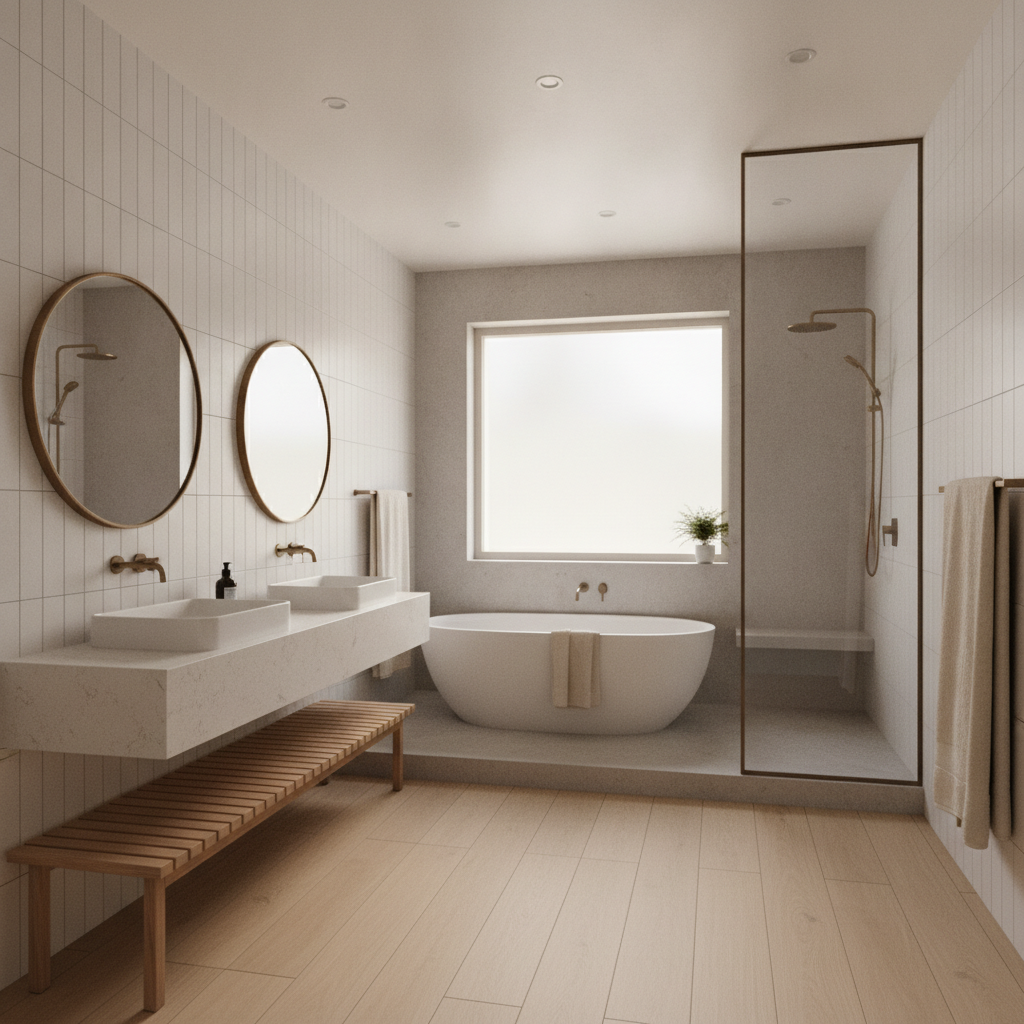
The ratio between these categories shifts depending on your choices. A homeowner who keeps the existing layout but upgrades finishes spends differently than one who relocates a shower. Knowing this split early helps you steer your renovation budget toward what matters most to you.
Small Refresh Versus Full Gut Renovation
The gap between a cosmetic refresh and a complete teardown is enormous, both in dollars and in disruption. A refresh might mean new paint, a replacement vanity, updated lighting, and fresh caulk around the tub. A gut renovation strips the room to the studs, often reconfiguring plumbing and venting along the way.
Scope drives timeline just as much as price. A weekend-style refresh can wrap in days, while a full renovation routinely stretches across several weeks once permits, inspections, and material lead times stack up. Deciding which path fits your goals keeps remodel pricing from spiraling past what you intended.
Signs You Need More Than A Refresh
Some conditions push a project beyond surface updates whether you like it or not.
- Water damage or soft spots in the subfloor
- Outdated or corroded supply and drain lines
- Insufficient ventilation causing persistent mold
- A layout that no longer serves how the household uses the room
What Labor Typically Costs
Labor is where estimates vary most, because it reflects local rates, project complexity, and the number of trades involved. A single bathroom can require a plumber, an electrician, a tile setter, and a general contractor coordinating them all. Each specialist bills differently, and their schedules must align, which adds coordination cost.
Expect labor to represent a substantial portion of the total, often rivaling or exceeding materials on a full renovation. The more you preserve the existing footprint, the less you pay in skilled hours. Moving a toilet three feet, by contrast, can trigger drain slope issues that quietly expand the bill.
Fixtures And The Range They Span
Fixtures offer the widest price spread of any category, which is both an opportunity and a trap. A functional toilet and a high-end model perform the same core job, yet the price difference can be several hundred dollars. Vanities, faucets, and showerheads follow the same pattern, climbing quickly as you move toward designer lines.
This is where personal priorities should guide spending. Putting money into a durable, comfortable shower system while choosing a modest toilet is a reasonable tradeoff. Spreading your budget evenly across every fixture rarely produces the satisfaction that targeted upgrades do.
Fixtures Worth A Closer Look
A few fixtures reward extra attention because you interact with them daily and replacement is disruptive.
- Shower valves and the plumbing behind them
- The vanity, which anchors both storage and style
- Faucets and finishes that resist wear over time
- Exhaust ventilation that protects the room long term
Materials That Shape The Final Price
Materials determine how the finished room feels and how long it holds up. Tile is the clearest example, since the material itself may be affordable while installation labor varies with pattern complexity and surface area. Intricate layouts, large-format tile, and natural stone each raise the installed cost beyond the sticker price.
Waterproofing membranes, backer board, and quality grout rarely get attention, yet they protect everything above them. Skimping here invites failures that cost far more to fix than they ever saved. Thinking about materials as a system, rather than a shopping list, keeps your renovation budget grounded in durability.
Hidden Costs And Budget Surprises
The surprises in a bathroom project usually hide behind walls and under floors. Once demolition begins, rot, outdated wiring, or improper past repairs often appear. These discoveries are common enough that experienced homeowners treat them as likely rather than rare.
Setting aside a contingency of roughly ten to twenty percent of your total gives you room to absorb these findings without derailing the work. Change orders also add up, so each mid-project decision to upgrade or reconfigure deserves a pause. A disciplined approach to remodel pricing accounts for the unknown before it arrives.
Common Culprits Behind Overruns
Several recurring issues inflate budgets more than homeowners expect.
- Concealed water damage revealed during demolition
- Electrical work needed to meet current code
- Mid-project changes to layout or finishes
- Material delays that extend labor scheduling
Keeping Your Renovation Budget On Track
Staying within budget is less about cutting corners and more about making deliberate choices early. Locking your layout before work begins prevents the costliest changes. Selecting materials and fixtures in advance avoids the delays that keep tradespeople waiting and billing.
Getting detailed written estimates from multiple contractors clarifies what each price includes and exposes gaps that vague quotes hide. Phasing a project, where you tackle structural essentials now and defer cosmetic upgrades, can also spread the financial load. These habits give you more control over your bathroom remodel cost than any single product decision.
Decisions That Protect Your Budget
A handful of choices consistently separate predictable projects from runaway ones.
- Finalizing the layout before demolition starts
- Ordering all materials ahead of the labor schedule
- Comparing itemized bids rather than lump-sum quotes
- Reserving a contingency for concealed conditions
Weighing Cost Against Long-Term Value
A bathroom remodel is both a daily-use upgrade and a long-term asset, and those two roles sometimes pull in different directions. Spending heavily on highly personal finishes may bring you joy without returning much at resale. Durable, broadly appealing choices tend to hold their value better over the years.
The right balance depends on how long you plan to stay and what the room needs to accomplish for your household. A clear-eyed view of fixtures, labor, and materials lets you match your spending to your actual priorities. The numbers behind a remodel become far easier to manage once each category is understood on its own terms.