
Have you walked past a vent expecting a cool draft and felt lukewarm air drift out instead? It is one of the more frustrating moments a homeowner faces during a stretch of hot weather. A central air conditioner that runs but refuses to cool points to a handful of recurring culprits, and some are far simpler to resolve than others. Understanding what separates a quick fix from a service call helps you spend wisely and act with confidence.
What Warm Air Is Actually Telling You
Warm air from a system that is clearly running is a signal, not a verdict. The compressor may be cycling, the blower may be moving air, yet something in the cooling chain has broken down. The problem usually sits in one of three places: the refrigerant that absorbs heat, the coils that move it, or the condenser that releases it outdoors.
Before assuming the worst, confirm the thermostat is set to cool and the fan is on auto rather than continuous. A fan left running pushes air even when the system is not actively cooling, which can mimic a failure. Ruling out these basics saves you an unnecessary diagnostic fee.
Starting With The Thermostat And Airflow
The least expensive problems hide in plain sight. A dead thermostat battery, a tripped breaker, or a clogged filter can all stop cooling without any mechanical fault. A dirty filter is the single most common cause of weak airflow, and replacing one costs only a few dollars. Neglecting it strains the entire system and shortens its life.
Check the breaker panel for anything tripped, and look at your filter against a light source. If it blocks the glow, it needs replacing. These checks take minutes and often restore performance without any further work.
Quick Checks Worth Doing First
- Confirm the thermostat is set below the current room temperature
- Replace a filter that looks gray or blocks light
- Reset any tripped breaker tied to the air handler or condenser
- Make sure supply and return vents are open and unobstructed
Diagnosing Frozen Evaporator Coils
If your AC is not cooling and airflow feels weak, frozen coils are a likely suspect. The evaporator coil sits inside the air handler, and when airflow drops or refrigerant runs low, condensation on the coil freezes into a block of ice. Ice acts as insulation, which further reduces cooling and compounds the problem until the system can barely move conditioned air.
You may notice ice on the copper lines near the indoor unit or water pooling as it melts. The first step is to turn the system off and let it thaw fully, which can take several hours. Running the fan without cooling speeds the process.
Signs You Are Dealing With Frozen Coils
- Visible ice on the refrigerant line or indoor coil
- Water collecting around the air handler as the ice melts
- Airflow that weakens over the course of a hot afternoon
- A system that cools briefly after being shut off, then fades again
When Low Refrigerant Is The Culprit
Refrigerant does not get consumed the way fuel does. A sealed system should hold its charge for the life of the unit, so a low level almost always means a leak. That distinction matters because simply adding more refrigerant without finding the leak treats the symptom while the underlying fault remains, and the cost repeats itself in a season or two.
Leaks often show up as reduced cooling, hissing sounds, or ice on the lines. Handling refrigerant is regulated and requires a licensed technician, so this is firmly a professional repair. Expect a technician to locate the leak, repair it, and recharge the system to the manufacturer's specification.
Why Refrigerant Work Belongs To A Professional
- Refrigerant is regulated and cannot be purchased or handled without certification
- An incorrect charge, high or low, damages the compressor over time
- Finding the actual leak requires specialized detection tools
- Older systems may use refrigerant that is costly or being phased out
Cleaning A Dirty Condenser Unit
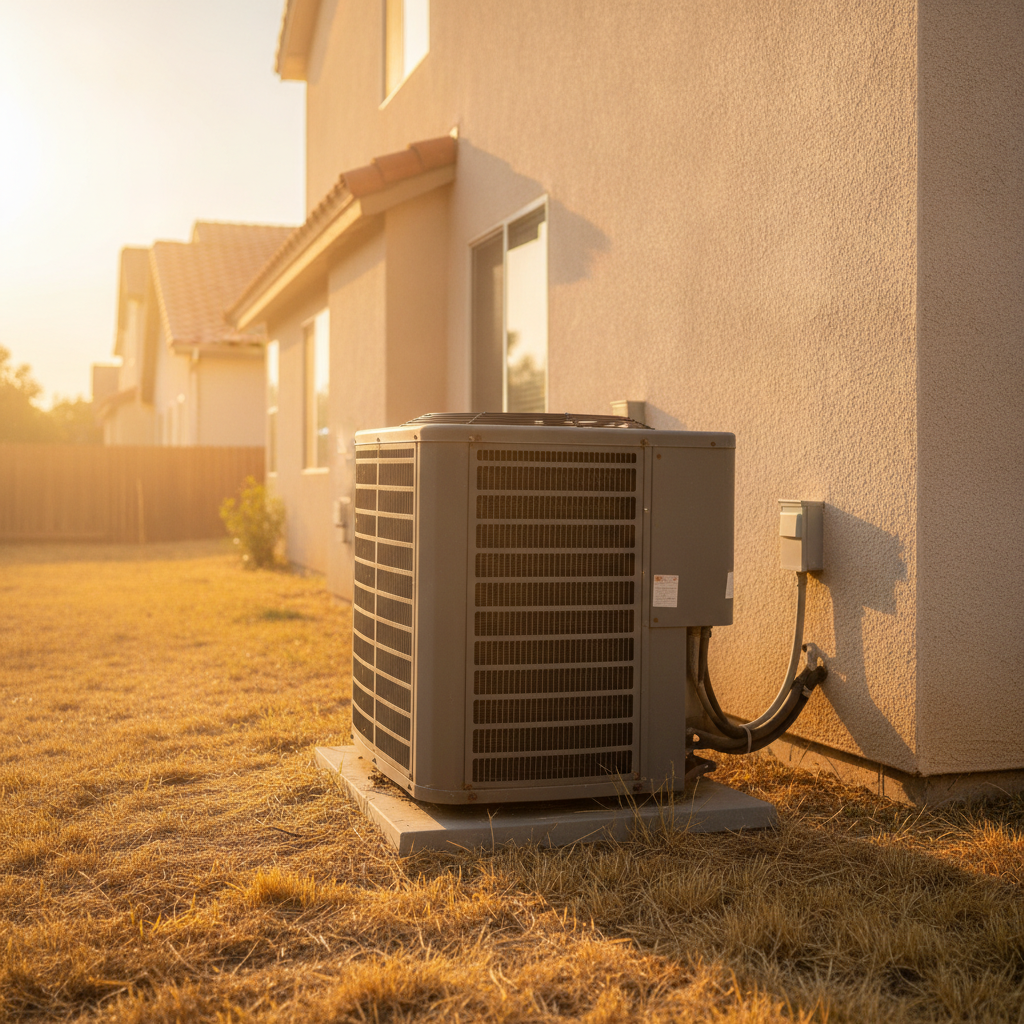
The condenser is the outdoor box that releases the heat your system pulls from indoors. When its fins clog with grass clippings, pollen, and dust, it cannot shed heat efficiently, and cooling capacity falls off noticeably. This is one of the more satisfying maintenance tasks because the improvement is often immediate and the work is well within reach for most homeowners.
Condenser cleaning starts with cutting power at the disconnect for safety. From there, you clear debris, straighten bent fins, and rinse the coil gently with a garden hose from the inside out. Keeping at least two feet of clearance around the unit preserves the airflow it depends on.
Steps For Safe Condenser Cleaning
- Shut off power at the outdoor disconnect before touching the unit
- Remove leaves, grass, and loose debris by hand or with a soft brush
- Rinse the coil with a gentle hose stream, never a pressure washer
- Trim back plants to leave open space on every side
Weighing Repair Costs Against Replacement
At some point the question shifts from fixing a symptom to evaluating the whole system. A filter or condenser rinse costs almost nothing, but a refrigerant leak repair on an aging unit can run into the hundreds, and compressor failure can approach the price of a new system. The age of your equipment is the deciding factor in whether repair money is well spent.
Most central systems last roughly fifteen to twenty years. If yours is near that range and facing a major repair, putting that money toward a more efficient replacement often returns value through lower operating costs. A newer unit with a higher efficiency rating noticeably reduces summer energy bills.
Building A Maintenance Routine That Prevents Breakdowns
Nearly every warm-air failure traces back to deferred upkeep. A system that is cleaned and inspected on a schedule rarely surprises you in the middle of a heat wave. Many homeowners pair their own seasonal cleaning with an annual professional tune-up, which catches small refrigerant and electrical issues before they strand you without cooling.
A service plan from a reputable company typically covers inspection, coil cleaning, and a performance check once or twice a year. Whether you handle the basics yourself or contract them out, consistency is what protects your investment and keeps airflow dependable.
Habits That Keep A System Running Smoothly
- Replace filters every one to three months during heavy use
- Rinse the condenser coil at the start of each cooling season
- Schedule a professional inspection once a year
- Clear vegetation and clutter from around the outdoor unit
Knowing Where Your Line Is
Warm air from the vents narrows down to a short list of causes, and you now have a clear sense of which ones you can address and which call for a licensed hand. Filters, breakers, and condenser cleaning sit comfortably in the realm of homeowner maintenance. Refrigerant leaks, electrical faults, and compressor trouble belong with a professional who carries the right certification and tools. Matching the task to the right level of expertise is how you keep both the system and the repair bill under control.