
What does it actually take to make your refrigerator disappear into a run of cabinetry? Panel ready appliances promise that quiet, built-in look where the dishwasher, fridge, or wine cooler wears a custom door that matches everything around it. The appeal is obvious, but the decision reaches into your budget, your cabinet layout, and your installation timeline. It deserves a closer look before it becomes permanent.
What Panel Ready Actually Means for Your Kitchen
A panel ready appliance ships without a finished front. Instead, it has a frame or mounting hardware designed to accept a decorative panel that your cabinetmaker builds to match the surrounding doors. The result is an appliance that reads as furniture rather than equipment.
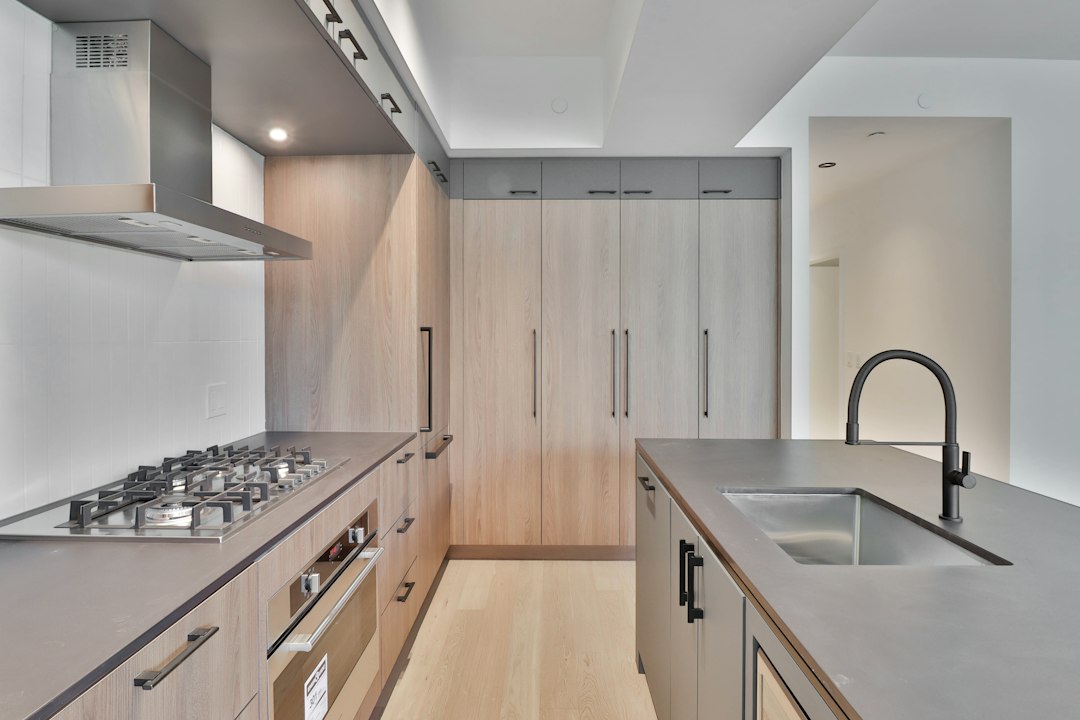
This differs from a stainless or slate finish that stays visible. With panel ready models, the goal is concealment, so a dishwasher looks like a lower cabinet and a refrigerator blends into a tall pantry wall. Think of a galley kitchen where the eye travels across an unbroken plane of walnut instead of catching on a bright metal box.
The tradeoff is that you are buying an incomplete product on purpose. The panel, hinges, and handle become a separate part of the project, which means coordination between the appliance and the cabinetry is not optional.
The Real Costs and Where They Add Up
Panel ready models usually carry a higher sticker price than their standard-front counterparts, and that is only the beginning. The custom panel itself is a distinct expense, built and finished by the same shop producing your cabinets so the grain, color, and profile line up. Skipping the match defeats the entire purpose.
Installation labor also tends to run higher because the panel must be measured, weighted, and balanced correctly. A door that is too heavy can strain a dishwasher's spring hinges, and a fridge panel installed out of plane will announce itself the moment light hits it. These are precise jobs, not quick swaps.
Budget Lines Worth Isolating Before You Sign Off
Breaking the number into parts keeps surprises out of the final invoice.
- The base cost of the panel ready appliance compared to a standard-front version of the same model
- Material and labor for the custom panel and its finish
- Handle or pull hardware, which is often sold separately
- Adjustment kits, toe kicks, or filler panels needed for a flush fit
- Any additional installation time your contractor bills for alignment
Cabinet Compatibility and Installation Planning
The appliance and the cabinetry have to be designed together, not chosen in sequence. Panel dimensions, door swing clearance, and ventilation requirements all shape how the surrounding boxes are built. If you order cabinets first and shop appliances later, you risk a fridge that will not fit the opening or a dishwasher panel that overhangs the drawer beside it.
Ventilation is a frequent oversight. A concealed refrigerator still needs airflow, and some models require a specific gap at the top or a vented grille that your design has to accommodate. Ignoring this can shorten the appliance's life or trigger warranty concerns down the road.
Weight is the other planning constraint. Solid wood panels are heavy, and each appliance specifies a maximum panel weight it can carry without compromising the door mechanism. Your cabinetmaker needs those figures early so the panel is built to spec rather than trimmed to fit after the fact.
Details To Confirm With Your Designer And Installer
These specifics prevent the mismatches that force costly rework.
- The exact panel thickness and maximum weight each appliance supports
- Required clearances for door swing and adjacent cabinet fronts
- Ventilation gaps or grille cutouts the model demands
- Whether the hinge system is integrated or overlay style
- Lead times, since custom panels and specialty appliances often ship on separate schedules
Long-Term Value, Service, And Living With The Choice
A seamless kitchen holds its appeal for years, and many homeowners find the integrated look supports resale interest in higher-end properties where buyers expect it. That said, the value depends on execution. A poorly aligned panel reads as a defect, not a feature, so the quality of the install matters as much as the appliance brand.
Service is a practical consideration people underestimate. If a paneled dishwasher fails and needs replacement, the new unit must accept the same panel or you face another custom build. Staying within a product line you can source again years later reduces that risk, and it is worth asking whether a manufacturer keeps compatible models in production.
Daily living brings smaller adjustments too. Handles on concealed appliances sit within a wall of matching doors, so you learn to find them by memory. Some people love the calm of a hidden fridge, while others miss the visual cue and prefer the appliance to stay recognizable. Neither preference is wrong, but knowing which one describes you should shape the decision.
Signals That Panel Ready Suits Your Situation
These conditions tend to make the investment worthwhile rather than incidental.
- You are building custom cabinetry anyway, so the panels integrate into an existing scope
- Your design prioritizes an uninterrupted, furniture-like appearance
- You plan to stay long enough to enjoy the look or you are targeting a market that expects it
- Your budget comfortably absorbs the panels, hardware, and specialized labor
- You have a cabinetmaker and installer coordinating from the start
Deciding Whether The Seamless Look Fits Your Plan
Panel ready appliances reward careful planning and punish improvisation. When the cabinetry, panels, and appliances are specified together and installed with precision, the result is the quiet, cohesive kitchen that draws people to the concept in the first place. When any one piece is handled as an afterthought, the seams show and the extra spending loses its payoff.
The core questions are consistent across most kitchens. How much does the concealment matter to you, what will the full package cost once panels and labor are counted, and can you source a compatible replacement years from now. Weighing those honestly against your timeline and budget gives you a clear basis for the choice you are about to make.